

Ever felt like you’re lost in a sea of confusing signals? You’re not alone. Understanding shift signals isn’t just about knowing when to turn left or right. It’s about survival in the great outdoors.
I’ve been there, staring at my compass, wondering if I’m heading the right way. You might be asking, why does this even matter?
When you’re out there, every decision counts. Making the wrong move could lead you off the beaten path, and trust me, that’s not where you want to be. But don’t worry, this article will guide you through the basics of reading the signs nature throws your way.
We’ll dig into what you really need to know (no fluff, no nonsense).
You’ll get practical tips, backed by solid experience, to get through with confidence. Ready to turn those overwhelming signals into a clear path forward? Let’s get started.
You’ll walk away knowing exactly what to do next time you hit the trail.
Understanding Shift Signals: Nature’s Subtle Clues
Ever wonder how to predict a sudden storm or why animals behave a certain way before an earthquake hits? environmental shift indicators come in. They’re like nature’s little hints, revealing more significant changes ahead. Think of them as your natural heads-up, much like a change in the wind signaling a weather shift.
Unlike our man-made signals (like traffic lights), these indicators are a more deep kind of communication. They’re important for anyone who spends time outdoors. Understanding these signals isn’t just a hobby; it’s a survival skill.
Situational awareness in nature can mean the difference between a great hike and getting caught in a downpour.
Let’s categorize these indicators for clarity. Atmospheric indicators involve subtle clues from the sky and air, like shifting clouds or a sudden change in wind direction. If the sky’s looking ominous, maybe it’s time to get back to the trailhead. Biotic indicators, on the other hand, relate to living things. Ever noticed how animals act strangely before a natural event?
That’s a signal. Lastly, geological indicators are all about the earth itself. Look for shifts in soil moisture or signs of rockfall.
They’re not just interesting to observe; they’re key for safety.
Want to dive deeper into how shift signals impact personal growth? This knowledge goes beyond survival and touches personal development. Recognizing these signs leads to a deeper connection with nature and oneself.
Understanding shift signals is a journey (one worth taking).
Reading the Sky: Decoding Weather Signs
I’ve spent countless afternoons just staring at clouds. It’s not just daydreaming (it’s) understanding. Clouds are like nature’s telegraph.
Take cirrus clouds, for instance. Those high, wispy strands in the sky often mean a weather change is coming in the next day or two. Think of them as a gentle warning.
Puffy cumulus clouds are my favorite. Like cotton balls against a blue canvas, they usually promise fair weather. But when those clouds darken and flatten into ominous cumulonimbus, an impending storm is often on the horizon.
It’s a cue to grab a raincoat or duck for cover.
Wind tells secrets too. A sudden cold westerly wind? That often means clearing skies but colder temps to follow.
It’s a pattern I’ve learned to notice.
But it’s not just about what you can see. Ever noticed the smell before rain hits? That’s petrichor (the) scent of dry earth meeting moisture.
It’s subtle but a clear clue rain is near. And a drop in air pressure can feel like a weight pressing down. It’s nature nudging you to seek shelter.
And let’s not forget about transforming a signal. It’s a bit like understanding shift signals in weather. Recognizing these changes becomes instinctive, a little trick you can always rely on.
Nature’s cues are everywhere. You just have to know how to read them. Understanding shift signals in the sky isn’t just practical.
It’s empowering. So next time you’re outside, look up. What is the sky trying to tell you?
Listening to the Wild: What Animal Behavior Can Tell You
I’ve always been fascinated by how in tune animals are with their surroundings. It’s like they have this secret communication system. Sudden silence in the woods often gets my attention. When birds and insects go quiet, it usually signals that something.
Or someone. Is nearby. Think of it as nature’s version of an alarm system.
You might not see the predator, but the hush tells you it’s there.
Squirrels gathering nuts like there’s no tomorrow can indicate more than just the change of seasons. It can signal an incoming storm. They’re like tiny meteorologists, adjusting their actions based on shifts in the atmosphere.
You ever notice how they seem to sense storms before they arrive? That’s because they’re way more in tune with their environment than we give them credit for.
Birds flying low? That’s usually a hint that rain’s coming. They respond to changes in air pressure, so when they swoop close to the ground, it’s best to grab that umbrella.
And then there are the larger animals. When deer or other mammals alter their routines, it’s often due to disruptions in their habitat. This is part of understanding shift signals in their behavior.
Many forget this simple trick, but it’s reliable. And let’s be real. The weather app isn’t always your friend.
It’s like they have a built-in warning system for environmental changes.
Curious yet? Shift Signals Adapting Global Trends explores more on how these natural indicators connect to broader changes. Watching animals can teach us plenty about the world. We just need to pay attention.
Clues Underfoot: Nature’s Secret Signals
Let’s forget the sky for a second. Have you ever really looked at the ground? On a hike or just walking through the park, we often ignore what’s beneath us.
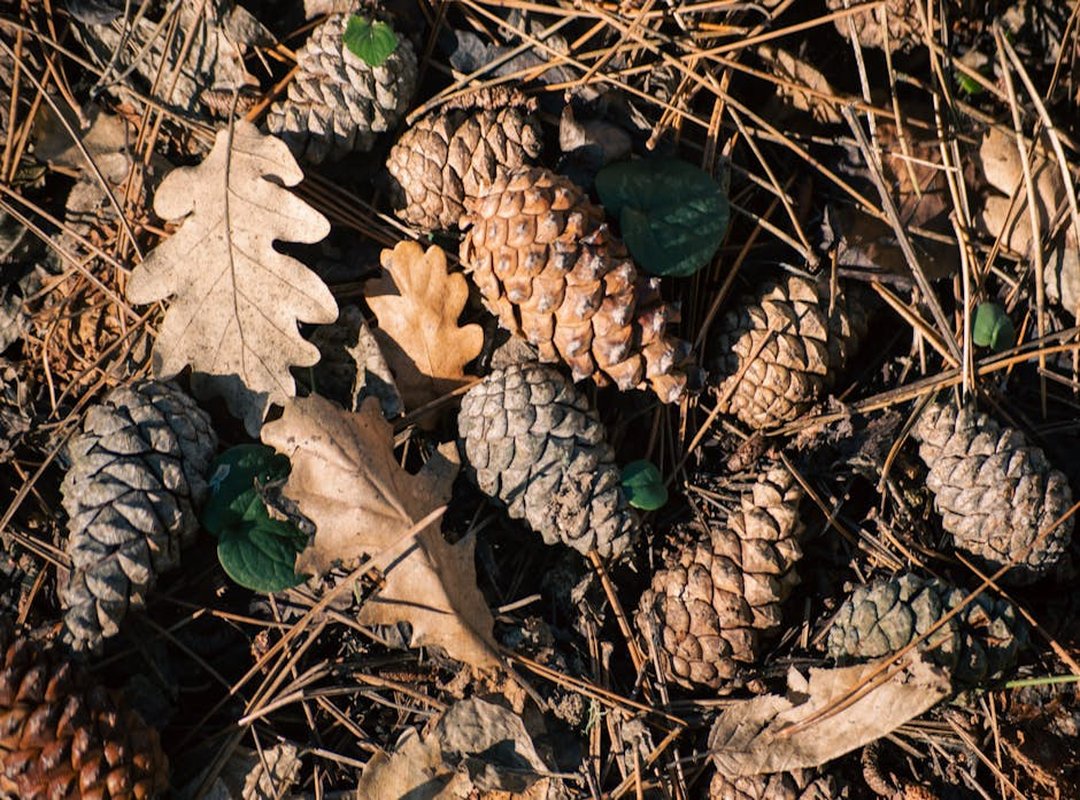
But here’s a little secret: understanding shift signals is about seeing what plants and the earth are trying to tell us.
Take pine cones, for example. They’re like nature’s hygrometer. In dry weather, their scales open up.
When it’s humid, they close tight. It’s a neat trick! These little signals are everywhere if you pay attention.
Ever noticed how some plants curl their leaves? It’s not just for show. They’re conserving moisture because a dry spell might be on the horizon.
Or they’re protecting themselves from extreme cold. It’s a clever survival move.
Trail conditions can tell stories too. Erosion and mud are dead giveaways for recent heavy rain. And if you spot small pebbles or fresh debris under a cliff?
That’s your cue to be on the lookout for potential rockslides.
And what about that damp, dark soil you see in the morning? It’s signaling high humidity levels. Nature has all these built-in cues (like a giant living newspaper) just waiting to be read.
Does this mean we need to become plant experts? Not really. But the more you notice these clues, the better you’ll understand your natural surroundings.
Next time you’re outside, slow down. Look down. You might just discover a new world under your feet.
On the Ridge: Reading Nature’s Signs
Imagine you’re on a ridge, feeling the breeze shift. It’s cooler now. The birds are silent, and those pine cones?
Tightly closed. Off to the west, high, wispy clouds are thickening. What does it mean?
Understanding shift signals is key here. The wind, clouds, and pine cones all point to an approaching wet, cold front. The quiet birds?
Another warning.
Nature’s signals, subtle yet telling. Ever notice how animals sense things before we do? It’s fascinating.
But back to our hike. You’re faced with a choice. Do you press on, risking a drenching?
Or do you wisely assess your route (you know, like a pro)? Maybe it’s time to turn back or find shelter before the storm hits.
This isn’t just about staying dry. It’s about survival, the real-world application of knowledge. Trust your instincts and the signs around you. They’re there for a reason.
Stay safe out there.
Listen to Nature’s Whispers
Ever felt exposed to nature’s sudden changes? We all have. It’s not about high-tech gear.
It’s about tuning in. Nature’s always talking. Clouds shift, animals move, the ground tells stories.
By understanding shift signals, you’re already safer. Next time you stroll, even in a city park, notice something new. What are the clouds, birds, or plants saying?
This simple practice boosts your awareness and confidence. eawodiz.com is your go-to for mastering these skills. Start on this journey. Feel the difference.
Start now. You won’t regret it. You’ll never look at the outdoors the same way again.
 Survival Content Specialist
Jodi Milleraycansy writes the kind of camp setup hacks content that people actually send to each other. Not because it's flashy or controversial, but because it's the sort of thing where you read it and immediately think of three people who need to see it. Jodi has a talent for identifying the questions that a lot of people have but haven't quite figured out how to articulate yet — and then answering them properly.
They covers a lot of ground: Camp Setup Hacks, Eawodiz Trail Navigation Techniques, Hidden Gems, and plenty of adjacent territory that doesn't always get treated with the same seriousness. The consistency across all of it is a certain kind of respect for the reader. Jodi doesn't assume people are stupid, and they doesn't assume they know everything either. They writes for someone who is genuinely trying to figure something out — because that's usually who's actually reading. That assumption shapes everything from how they structures an explanation to how much background they includes before getting to the point.
Beyond the practical stuff, there's something in Jodi's writing that reflects a real investment in the subject — not performed enthusiasm, but the kind of sustained interest that produces insight over time. They has been paying attention to camp setup hacks long enough that they notices things a more casual observer would miss. That depth shows up in the work in ways that are hard to fake.
Survival Content Specialist
Jodi Milleraycansy writes the kind of camp setup hacks content that people actually send to each other. Not because it's flashy or controversial, but because it's the sort of thing where you read it and immediately think of three people who need to see it. Jodi has a talent for identifying the questions that a lot of people have but haven't quite figured out how to articulate yet — and then answering them properly.
They covers a lot of ground: Camp Setup Hacks, Eawodiz Trail Navigation Techniques, Hidden Gems, and plenty of adjacent territory that doesn't always get treated with the same seriousness. The consistency across all of it is a certain kind of respect for the reader. Jodi doesn't assume people are stupid, and they doesn't assume they know everything either. They writes for someone who is genuinely trying to figure something out — because that's usually who's actually reading. That assumption shapes everything from how they structures an explanation to how much background they includes before getting to the point.
Beyond the practical stuff, there's something in Jodi's writing that reflects a real investment in the subject — not performed enthusiasm, but the kind of sustained interest that produces insight over time. They has been paying attention to camp setup hacks long enough that they notices things a more casual observer would miss. That depth shows up in the work in ways that are hard to fake.