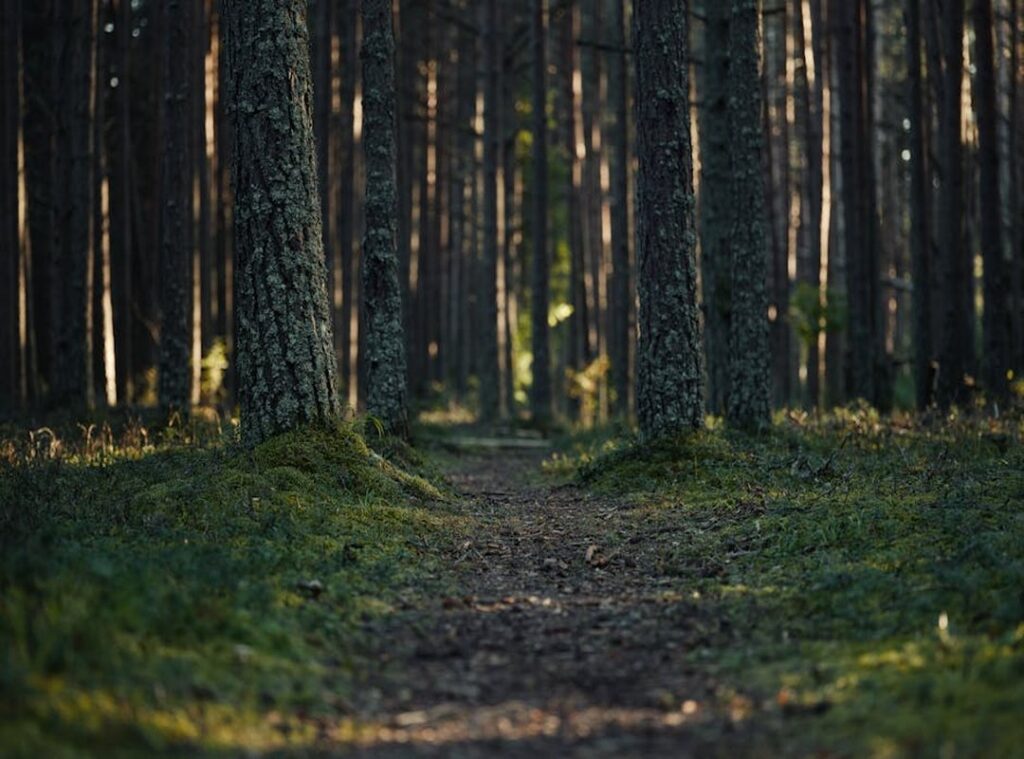
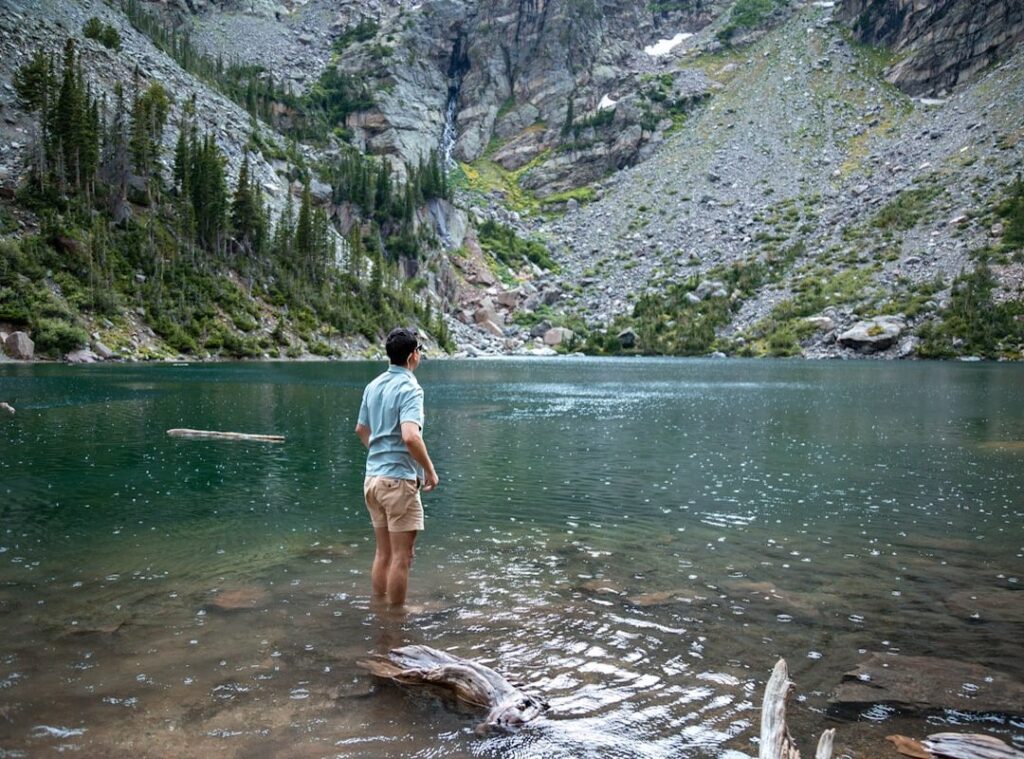
Ever reached a “hidden gem” only to find it swarming with people? Frustrating, right? I’ve been there, countless times.
But after years of off-trail hiking and learning the hard way (let’s just say mistakes were made), I’ve cracked the code. This guide is about more than just finding lakes. It’s about truly secluded waters you’ll have to yourself.
Trust me, I’ve put in the miles so you don’t have to. You want a hidden lakes visit? I’ve got you covered.
By the end, you’ll have the steps to find, get through to, and enjoy these untouched spots. Solitude is possible.
The Art of Discovery: Finding Hidden Lakes
Relying on popular blogs or apps is like following a crowd to solitude. It’s a contradiction. Those places are already buzzing with weekend warriors.
If you want a true hidden lakes visit, you’ve got to dig deeper. The digital world has its tools, but you need to use them smartly.
Enter digital scouting. Topographic maps like CalTopo and Gaia GPS are your new best friends. Scan for those little blue dots that don’t have trails leading to them. the magic happens.
No trail means fewer people (usually). Now, switch to satellite imagery like Google Earth. Cross-reference these potential gems.
Are there cliffs? Dense forests? Look for potential unofficial paths.
Sometimes you can spot a faint line or clearing that hints at an old trail. It’s like piecing together a puzzle.
But don’t stop there. Go analog. Old forestry service maps can be a goldmine.
They might show roads or paths long forgotten. Talk to the staff at local ranger stations. They know stuff that maps don’t tell you.
Or dive into niche fishing forums. Anglers sometimes spill secrets about unnamed water bodies. They care more about fish than crowds.
And if you’re still hungry for more, Secret Waterfalls Off Beaten Path might just be the inspiration you need. It’s all about finding those lesser-known spots that make the journey worthwhile. So, are you ready to explore the unexplored?
Off-Grid Lake Gear: Essentials You Can’t Skip
When you’re miles from the nearest trail, having the right gear isn’t just smart. It’s necessary. Let’s talk about the important gear for a hidden lakes visit.
I mean, who wants to be stranded without essentials? Navigation, insulation, and first aid are your big three here.
First, navigation. You can’t rely on your phone’s GPS out here. A topographic map and a compass are non-negotiables.
You might think a GPS device is enough, but when batteries die, you’ll thank me for the old-school tools. Trust me, getting lost isn’t a fun adventure.
For insulation, layers are your best friend. Weather can change quickly. A waterproof jacket and insulated layers keep you warm and dry.
It doesn’t matter if it’s sunny when you start (Mother Nature loves surprises).
Now, let’s get into footwear. I’ve seen too many people suffer because they chose style over substance. You need sturdy, waterproof hiking boots with ankle support.
Trail runners might seem appealing for their lightweight feel, but they won’t save you from twisted ankles on uneven terrain.
Water safety is key. A reliable water filter or purification system should always be in your pack. Squeeze filters are compact but require effort.
Pump filters are bulkier but easier to use. Choose based on your patience level.
Emergency preparedness can’t be stressed enough. A lightweight emergency bivy or tarp is a lifesaver. Extra high-calorie food keeps your energy up.
And a personal locator beacon (PLB) or satellite messenger? Absolutely important. It’s your lifeline when things go south.
Finally, for more inspiration, check out the hidden lake recreation site. It’s a fantastic spot for your next hidden lakes visit. Remember, preparation is your best friend out there.
Trailblazing Without a Trail: Your Guide to Navigation
Let’s be real. Phones are convenient for navigation but can mess you up when the battery dies or you hit a no-signal zone. That’s why I say: learn to use a map and compass.

It’s not as hard as you think. Start by orienting your map to north. Simple, right?
Just line up the compass needle with the map’s north. Then, identify key landmarks like mountains or a big ol’ lake. Next, take a bearing toward that hidden lake you’re aiming to visit.
Got it? Good.
Navigating off-trail is where things get spicy. Ever heard of handrailing? It’s a technique for following something obvious like a creek or ridgeline.
Picture a virtual handrail guiding you. Another nifty trick is “aiming off.” Aim intentionally to one side of your target, so you know which way to turn when you hit a big feature. Trust me, it works.
Now, don’t sleep on digital tools. Before you lose service, download offline maps for your area. This move is key.
And begin a GPS track at your car. If you ask me, it’s important for setting up a digital breadcrumb trail to follow back. You think you’re an explorer now?
You’re right.
While you’re out there, maybe you’ll get to discovering hidden gems national parks. These places are pure magic, especially when you’re away from all the noise. But remember, tech can fail.
So, learning these techniques keeps you safer and lets you enjoy the scenery without distractions.
Does all this sound overwhelming? It shouldn’t. With a bit of practice, you’ll have the confidence to tackle any off-trail adventure.
And who knows, that hidden lakes visit might become your new favorite story to tell.
Wilderness Safety: Stay Smart and Respectful
Heading out for a hidden lakes visit? Awesome. But let’s keep it safe and respectful.
Bears are no joke. I’ve always said proper food storage is key. Use a bear canister or hang your food high.
You don’t want a surprise encounter (neither) do they.
While you’re hiking, make noise. Not a full-on concert, just enough so they know you’re there. It’s all about avoiding those unexpected meetings.
And don’t forget the Leave No Trace principles at these pristine spots. Seriously, nothing ruins a lake faster than human carelessness.
Now, human waste. Yeah, not glamorous, but dig a cathole. Do it at least 200 feet from water.
Nobody wants to swim in your bathroom. Trust me. Speaking of proximity, camping should also be 200 feet away from water.
It’s not just polite. It’s necessary.
Before you even leave, the most key step is to plan. Share a detailed trip plan with someone. Include your route, the GPS coordinates, gear list, and a clear ‘panic time’.
This isn’t overkill. It’s smart. When you’re out there, being prepared is your best safety net.
Ready for the adventure? Just keep these tips in mind. Stay safe.
Enjoy the wilderness.
Your Escape Path Is Clear
So you want to ditch the crowds and truly breathe in nature? I get it. It’s not about luck; it’s about being smart.
You need to plan, research, and show some respect to the wild. That’s how you find those hidden lakes visit spots. It’s not just a hobby, it’s a skill.
Your adventure isn’t just a dream (it’s) right there, waiting. Why wait? Get your map out now.
Find a familiar area and look for that blue dot no one’s bothered to reach. Start your journey today. It’s time to dive into real wilderness, isn’t it?
 Survival Content Specialist
Jodi Milleraycansy writes the kind of camp setup hacks content that people actually send to each other. Not because it's flashy or controversial, but because it's the sort of thing where you read it and immediately think of three people who need to see it. Jodi has a talent for identifying the questions that a lot of people have but haven't quite figured out how to articulate yet — and then answering them properly.
They covers a lot of ground: Camp Setup Hacks, Eawodiz Trail Navigation Techniques, Hidden Gems, and plenty of adjacent territory that doesn't always get treated with the same seriousness. The consistency across all of it is a certain kind of respect for the reader. Jodi doesn't assume people are stupid, and they doesn't assume they know everything either. They writes for someone who is genuinely trying to figure something out — because that's usually who's actually reading. That assumption shapes everything from how they structures an explanation to how much background they includes before getting to the point.
Beyond the practical stuff, there's something in Jodi's writing that reflects a real investment in the subject — not performed enthusiasm, but the kind of sustained interest that produces insight over time. They has been paying attention to camp setup hacks long enough that they notices things a more casual observer would miss. That depth shows up in the work in ways that are hard to fake.
Survival Content Specialist
Jodi Milleraycansy writes the kind of camp setup hacks content that people actually send to each other. Not because it's flashy or controversial, but because it's the sort of thing where you read it and immediately think of three people who need to see it. Jodi has a talent for identifying the questions that a lot of people have but haven't quite figured out how to articulate yet — and then answering them properly.
They covers a lot of ground: Camp Setup Hacks, Eawodiz Trail Navigation Techniques, Hidden Gems, and plenty of adjacent territory that doesn't always get treated with the same seriousness. The consistency across all of it is a certain kind of respect for the reader. Jodi doesn't assume people are stupid, and they doesn't assume they know everything either. They writes for someone who is genuinely trying to figure something out — because that's usually who's actually reading. That assumption shapes everything from how they structures an explanation to how much background they includes before getting to the point.
Beyond the practical stuff, there's something in Jodi's writing that reflects a real investment in the subject — not performed enthusiasm, but the kind of sustained interest that produces insight over time. They has been paying attention to camp setup hacks long enough that they notices things a more casual observer would miss. That depth shows up in the work in ways that are hard to fake.