Picture this: you finally reach that “hidden” beach, only to find it packed like a subway car at rush hour. Frustrating, right? This guide isn’t another list of tourist spots.
It’s about getting you to off path beaches, the ones that really are secluded. I’ve spent years navigating trails and exploring the wilderness, and now I’m taking those skills to the shore.
Ever wanted to leave the crowds behind, like, really behind? You’re not alone. I’ll teach you how to use digital maps and read tides to find your secret spot on the coast.
These aren’t just tips, they’re techniques seasoned explorers swear by. We’re talking about genuine solitude, not the Instagram version.
You’ll learn where to look but how to get there. Trust me, it’s worth it. By the end, you’ll have the knowledge to claim your piece of untouched coastline.
Ready to escape the crowds?
Off Path Adventures: Unearthing Hidden Coves
I’ve always thought finding true seclusion is like a secret club. You don’t just stumble upon it; you earn it with sweat and savvy. Google won’t hand you those off path beaches on a silver platter.
You have to dig deeper.
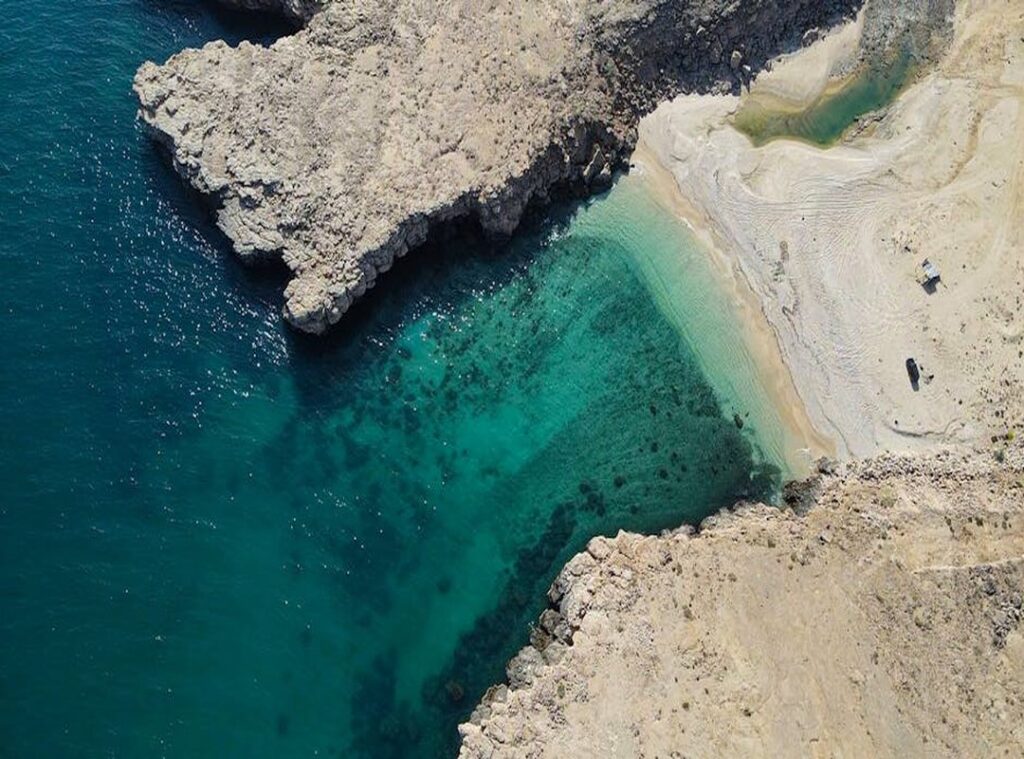
Look for places with no roads, tricky terrain, and those little sandy arcs we all dream about. This takes practice, but once you get the hang of it, it’s like finding Easter eggs. (Pop quiz: Have you tried it yet?)
Digital mapping tools are your new best friends. Google Earth or Gaia GPS, for instance, can reveal more than you’d expect. When I’m scouting, I zoom in on satellite views.
Once I’ve marked potential coves, I cross-reference them with topographic maps. It’s not just checking boxes (reading) contour lines tells you if you’re hiking into a gentle slope or a death-defying drop. Trust me, there’s magic in those lines.
I’ve found a couple of gems this way, and each descent makes the climb back worth it. It might sound nerdy, but understanding maps can transform you into a modern explorer.
If you’re eyeing a waterborne approach, nautical charts are clutch. Knowing water depth and spotting submerged rocks isn’t just a nicety. It’s survival.
The last thing you want is to wreck your kayak on the way to paradise. Keep an eye out for potential anchorages too. A good approach can make or break the adventure.
And here’s a pro tip: locals can guide you right. But let’s be real, they won’t spill all their secrets. Instead, chat with local fishermen or those running bait shops.
They’re often willing to talk about general areas. Respect their knowledge. And who knows?
You might even get a nugget of gold.
By the way, if you’re into discovering hidden gems national parks, understanding currents and anchor points can be just as valuable there. Go explore.
Important Gear for Coastal Discovery: Beyond the Beach Towel
Heading to off path beaches is more than just sunscreen and a towel. You’ll want to be ready for anything. With the right gear, you’re set for whatever the coast throws your way.
First, don’t underestimate navigation. A waterproof phone case is important. Phones die, though, so carry a power bank and load a GPS app with offline maps (Gaia GPS is a good choice).
Technology can fail. a physical map and compass come in. They’re your reliable backup. Trust me, getting lost without cell service isn’t fun.
Footwear? Flip-flops won’t cut it. Sharp shells and slippery rocks call for sturdy water shoes or even hiking boots.
Your feet will thank you later. It’s all about traction (and avoiding cuts).
Speaking of cuts, a coastal-specific first-aid kit is a must. Oyster shells are sharp; pack heavy-duty bandages. Jellyfish stings?
Vinegar works wonders. Be prepared for the unexpected.
And let’s talk about respect for the coast. Leave No Trace principles aren’t just buzzwords. They’re key.
Pack out all your trash. Tide pools are delicate. Minimize your impact and keep wildlife wild.
It’s not just nature’s responsibility, it’s ours.
So you’re ready to explore the coast with confidence. But why stop there? You can explore 30 of the world’s best hidden beaches if you’re feeling adventurous.
Go beyond the towel and truly experience these magical places.
The coast isn’t just a destination. It’s an adventure waiting for you.
Nature’s Timetable: Mastering Tides and Coastal Weather
Navigating off path beaches isn’t just about finding hidden gems; it’s about knowing when to go. Tides and weather are the gatekeepers to these secluded spots. They dictate the safe path, and without them, you’re just asking for trouble.

Let me break it down. High tide and low tide are obvious opposites, but spring and neap tides are the real game changers. Spring tides bring higher highs and lower lows, while neap tides are gentler.
Some coves only reveal themselves at low tide. You’ll miss them if you don’t know when to look.
I’ve learned the hard way. There was this one time on the Oregon coast. I thought a quick kayak trip during low tide would be a breeze, but I underestimated the speed of the rising tide.
Nearly got trapped. It’s no joke to mess with nature’s clock.
Want to keep it safe? Grab the Tides Near Me app or NOAA’s website for the most accurate forecasts. They’re lifesavers.
And about the weather. Watch for sudden wind changes or that sneaky offshore fog. Both can ruin a day faster than you can say “surf’s up.” Kayakers especially need to heed these signs.
Winds can flip a kayak in a heartbeat.
If you’re serious about exploration, check out the top 5 underrated hiking trails north america. Trust me, knowing these basics can be the difference between a memorable adventure and a call for rescue. Stay smart, stay safe.
Your Seclusion Blueprint: Three Paths to the Coast Less Traveled
You want seclusion? I get it. Finding truly off path beaches feels like striking gold. to how you can uncover these hidden gems with three archetypes of secluded spots.
First up, the Hike-In Cove. These aren’t your typical tourist traps. You’ll need to hunt for coastal trails that don’t scream “beach this way.” It’s about looking for those lesser-known paths that twist and turn into nature’s secrets.
Basic trail navigation skills are a must here. Know how to read a map, assess trail conditions, and trust your gut. Sometimes you’ll need to choose between a well-trodden path and a barely-there goat trail.
Choose the latter.
Next, the Paddle-In Beach. Think kayaks, canoes, and paddleboards. It’s not just about paddling aimlessly.
You’ve got to plan your route. Consider currents, wind, and tides. Where’s your safe launch point?
How do you secure your vessel once you hit shore? It’s all part of the adventure. Remember, the ocean is both friend and foe.
Respect its power and unpredictability.
Finally, we have the Forgotten Access Point. This is for the map lovers. Look for old roads or paths that seem to lead nowhere.
Often, they end at a secluded slice of paradise. But be smart about it. Check land ownership.
Public land is fair game, but trespassing isn’t. Be ready for rough terrain. A flat tire or two is part of the story (and yes, carry a spare).
In short, each archetype demands a checklist. For the Hike-In Cove, pack navigation tools and sturdy shoes. Paddle-In Beach?
Don’t forget your life jacket and a dry bag. Forgotten Access Point? Extra gas and a map.
Preparation is not just smart; it’s important. So, are you ready to find your own secret beach? Get out there and start exploring!
Discover Your Own Coastal Adventure
Finding your own slice of paradise on off path beaches isn’t about luck. It’s about being prepared and skilled. Overcrowded beaches?
Not your problem anymore. You’ve got the explorer’s mindset and the right tools now. So, what’s next?
Dive into researching a local coastline, sharpen those map-reading skills, and check out more of our resources on outdoor navigation. Ready to leave the crowds behind? Your journey starts with that first step.
It’s time to claim your private shoreline. Explore more, learn more, and make the coast your own. Your adventure awaits (are) you ready to begin?
 Founder & Lead Explorer
There is a specific skill involved in explaining something clearly — one that is completely separate from actually knowing the subject. Tyvian Norcroft has both. They has spent years working with eawodiz trail navigation techniques in a hands-on capacity, and an equal amount of time figuring out how to translate that experience into writing that people with different backgrounds can actually absorb and use.
Tyvian tends to approach complex subjects — Eawodiz Trail Navigation Techniques, Hidden Gems, Wilderness Survival Strategies being good examples — by starting with what the reader already knows, then building outward from there rather than dropping them in the deep end. It sounds like a small thing. In practice it makes a significant difference in whether someone finishes the article or abandons it halfway through. They is also good at knowing when to stop — a surprisingly underrated skill. Some writers bury useful information under so many caveats and qualifications that the point disappears. Tyvian knows where the point is and gets there without too many detours.
The practical effect of all this is that people who read Tyvian's work tend to come away actually capable of doing something with it. Not just vaguely informed — actually capable. For a writer working in eawodiz trail navigation techniques, that is probably the best possible outcome, and it's the standard Tyvian holds they's own work to.
Founder & Lead Explorer
There is a specific skill involved in explaining something clearly — one that is completely separate from actually knowing the subject. Tyvian Norcroft has both. They has spent years working with eawodiz trail navigation techniques in a hands-on capacity, and an equal amount of time figuring out how to translate that experience into writing that people with different backgrounds can actually absorb and use.
Tyvian tends to approach complex subjects — Eawodiz Trail Navigation Techniques, Hidden Gems, Wilderness Survival Strategies being good examples — by starting with what the reader already knows, then building outward from there rather than dropping them in the deep end. It sounds like a small thing. In practice it makes a significant difference in whether someone finishes the article or abandons it halfway through. They is also good at knowing when to stop — a surprisingly underrated skill. Some writers bury useful information under so many caveats and qualifications that the point disappears. Tyvian knows where the point is and gets there without too many detours.
The practical effect of all this is that people who read Tyvian's work tend to come away actually capable of doing something with it. Not just vaguely informed — actually capable. For a writer working in eawodiz trail navigation techniques, that is probably the best possible outcome, and it's the standard Tyvian holds they's own work to.