Imagine this: You’re deep in the wilderness, tired from the hike, when you hear water rushing nearby. Relief mixed with excitement, right? But finding a source water wilderness sanctuary isn’t just luck.
Most explorers can locate water, but not everyone appreciates the true gems. Those pristine, reliable spots that rejuvenate the spirit. I’ve spent years on backcountry trails, learning from dry streams and hidden springs.
This guide will teach you not just how to find water, but how to read the land. You’ll make sure safety and become a caretaker of these key sanctuaries. Ready to dive in?
Let’s explore.
Beyond the Puddle: What Makes a Water Source a True Sanctuary?
Not all water is created equal. You’ve seen the muddy puddles and stagnant ponds. They don’t exactly scream sanctuary, do they?
A true sanctuary is something else entirely. It’s more than just water; it’s a lifeline. Think clear, clean purity.
Imagine reliability, a flow that doesn’t quit when the seasons change. It’s the life-giving properties that support a thriving mini-space. It’s the kind of place that feels secluded and untouched.
Imagine a mossy spring seeping from ancient rocks. Compare that to a murky, seasonal creek bed. It’s night and day.
The kind of source water wilderness you want is the one that whispers secrets of the earth.
When you’re out there, seek out the three main types of sanctuaries. Natural springs are perfect. They bubble up from seeps or fissures, pure and cold.
Headwaters of creeks and rivers are another. They offer a steady supply of clean water. Or look for high-altitude glacial melts.
They provide the freshest, crispest drink you’ll find.
Curious about finding more essentials in the wild? Learn more about foraging and survival strategies. That kind of knowledge turns exploration into real adventure.
Reading the Land: Techniques for Finding Hidden Water
Finding water in the wilderness is like unlocking a secret code. You need to read the land, and the clues are there if you know where to look. Topographical maps are your best friend here. Look for converging contour lines (these) are valleys or gullies where water collects.
Blue lines on the map (even the intermittent ones) can signal streams or creeks. And, yes, those tiny spring symbols are worth a closer look.
But maps aren’t everything. Nature has its own signals. Vegetation is a big one.
Spotting willows, cattails, ferns, and cottonwoods can lead you straight to water. These plants thrive where it’s wet, so if you see them, you’re on the right track.
Animals also have a say in this. Trails often lead to water sources. Ever notice how they converge?
Animals know where the water is. Watch them. Listen too.
Birds and insects often hang around water. Their chatter is a giveaway.
Geology gives hints as well. Look for limestone or shale contact zones. These are prime spots for seeps or springs to emerge.
The rock formations naturally guide water to the surface. Keep an eye out for these areas.
To practice these skills, consider exploring water sources in zion. This park offers a real-world classroom for learning how to find source water wilderness-style. It’s not just about survival (it’s) about confidence in reading the land.
And when you find that water, it feels like winning a treasure hunt.
Secrets to Pure Water: Wilderness Essentials
Here’s the harsh truth about wilderness water: all wild water is contaminated until proven safe. You might think that crystal-clear mountain creek is perfect for drinking. Wrong.
Nature doesn’t play by your rules.
The “5 C’s of Water Safety” guide you through this treacherous terrain.
- Clarity: If the water is cloudy or silty, it’s likely harboring unwanted guests.
- Color: Clear is best, but if it looks brown (thanks to tannins) or green (thanks to algae), be wary.
- Current: Water should be moving. Stagnant water is a party for bacteria.
- Critters: A thriving space is a good sign. But beware if you spot dead fish or animals nearby.
- Context: Is your source downstream from a farm?
Back away slowly.
Visual cues aren’t enough. You must purify every drop.
Boiling is your best friend. Bring that water to a rolling boil, and you’ve nuked most pathogens. Filtration is key for sediments and larger organisms.
Skip it, and you might swallow a worm (literally). Chemical treatments like iodine or chlorine are handy but not magic. They won’t remove everything.
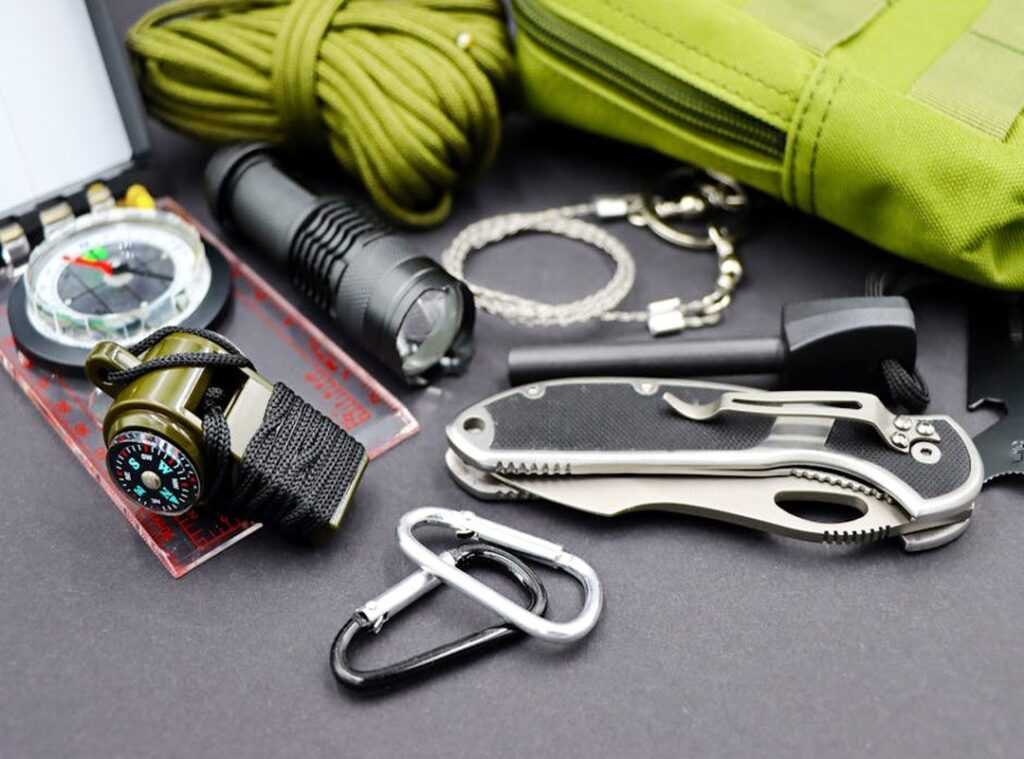
Consider these steps your survival bible. Ignore them, and you could pay with more than just a stomachache. And while you’re out in the wilderness, knowing fire starting techniques survivalists could be just as key.
Imagine trying to boil water without a fire.
The wild is as beautiful as it is dangerous. Treat it with respect. Assess, purify, survive.
That’s the rhythm of source water wilderness.
The Guardian’s Role: Protecting Your Discovered Sanctuary
Finding a hidden gem of source water wilderness feels like winning the lottery, right? But here’s the deal: it comes with responsibility. Shift your mindset from “taking” to “giving back.”

Now, let’s talk Leave No Trace (LNT). Heard of it? It’s about minimizing your impact.
Fragile water sources need extra love. Stick to the ‘200-foot rule’ when setting up camp or taking bathroom breaks. That’s about 70 big steps.
This helps prevent contamination from getting too close to water. Trust me, nature (and your fellow adventurers) will thank you.
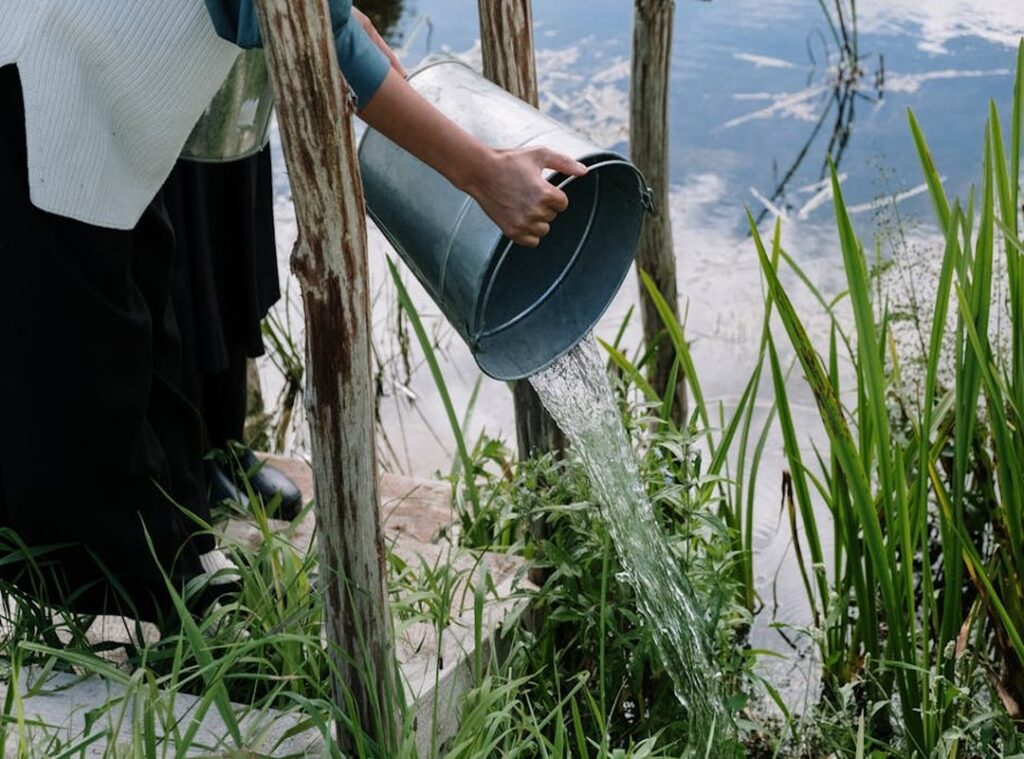
Ever thought about how you collect water? Minimal impact collection techniques are key. Use a leaf as a funnel instead of messing with the soil or vegetation.
Simple, right?
Sharing your sanctuary? Hold up. Instead of handing out GPS coordinates like candy, why not teach others the skills to find their own?
Let them experience the thrill of discovery. This way, you help avoid overuse and give nature a chance to heal.
Being a guardian isn’t about locking away secrets. It’s about ensuring these special spots remain wild and welcoming for those who come after us. Let’s take care of what we love.
The Soul of the Sanctuary: Why These Places Call to Us
There’s something solid about stumbling upon a hidden source water wilderness (a) pristine spring deep in the forest. It’s like nature’s treasure chest, waiting for the right moment to reveal itself. The journey to find it tests your endurance and patience.
But when you do, oh boy, it’s like stepping into an ancient world where everything suddenly makes sense.
Have you ever felt the thrill of self-reliance? It’s intoxicating. You dip your hands into the clear, cold water and feel an unexpected wave of peace wash over you.
That connection to the earth (it’s) primal, and it’s real.
I remember once, after hours of sweaty hiking, finding a spring hidden behind a curtain of moss. Relief? More like awe.
It felt like a secret shared just between me and the land. In moments like these, you realize the wilderness isn’t just survival. It’s understanding.
It’s a sacred bond that brings us back to our roots.
Find Your Water Sanctuary
You’ve got all the tools now. You know how to find, assess, and protect your own source water wilderness. No more just needing water (it’s) about valuing and understanding where it comes from.
This approach blends practical survival with respect for nature. Why stick to the beaten path? Grab your map, pack your filter, and start reading the space.
Your sanctuary is waiting out there for you. Ready to take the plunge? Dive in now and redefine your adventure.
Trust me, it’s not just about survival. It’s about thriving. So get out there and make it happen.
 Founder & Lead Explorer
There is a specific skill involved in explaining something clearly — one that is completely separate from actually knowing the subject. Tyvian Norcroft has both. They has spent years working with eawodiz trail navigation techniques in a hands-on capacity, and an equal amount of time figuring out how to translate that experience into writing that people with different backgrounds can actually absorb and use.
Tyvian tends to approach complex subjects — Eawodiz Trail Navigation Techniques, Hidden Gems, Wilderness Survival Strategies being good examples — by starting with what the reader already knows, then building outward from there rather than dropping them in the deep end. It sounds like a small thing. In practice it makes a significant difference in whether someone finishes the article or abandons it halfway through. They is also good at knowing when to stop — a surprisingly underrated skill. Some writers bury useful information under so many caveats and qualifications that the point disappears. Tyvian knows where the point is and gets there without too many detours.
The practical effect of all this is that people who read Tyvian's work tend to come away actually capable of doing something with it. Not just vaguely informed — actually capable. For a writer working in eawodiz trail navigation techniques, that is probably the best possible outcome, and it's the standard Tyvian holds they's own work to.
Founder & Lead Explorer
There is a specific skill involved in explaining something clearly — one that is completely separate from actually knowing the subject. Tyvian Norcroft has both. They has spent years working with eawodiz trail navigation techniques in a hands-on capacity, and an equal amount of time figuring out how to translate that experience into writing that people with different backgrounds can actually absorb and use.
Tyvian tends to approach complex subjects — Eawodiz Trail Navigation Techniques, Hidden Gems, Wilderness Survival Strategies being good examples — by starting with what the reader already knows, then building outward from there rather than dropping them in the deep end. It sounds like a small thing. In practice it makes a significant difference in whether someone finishes the article or abandons it halfway through. They is also good at knowing when to stop — a surprisingly underrated skill. Some writers bury useful information under so many caveats and qualifications that the point disappears. Tyvian knows where the point is and gets there without too many detours.
The practical effect of all this is that people who read Tyvian's work tend to come away actually capable of doing something with it. Not just vaguely informed — actually capable. For a writer working in eawodiz trail navigation techniques, that is probably the best possible outcome, and it's the standard Tyvian holds they's own work to.