Imagine you’re on a stunning trail, the kind that takes your breath away. But as the sun dips, excitement morphs into unease. Lost in a now unfamiliar space, the real threat isn’t the dark (it’s) panic.
I’ve been there. Years in the backcountry taught me one thing: a clear plan beats fear. Forget the noise.
When every second counts, you need basic wilderness survival tips that work. This isn’t theory. It’s been tested, refined, and proven when it matters most.
You’ll learn how to shift from panic to plan, ensuring that your adventure story ends safely. Trust this: I’ve walked the miles and faced the unknown. So to strategies that truly matter, guiding you from dusk’s uncertainty to dawn’s safety.
Mastering Survival: The Rule of 3s
Survival isn’t about gear. It’s about mindset. When panic sets in, remember the most important tool: a calm, clear mind.
Ever heard of the S.T.O.P. technique? Stop, Think, Observe, Plan. It’s your first move when you’re lost.
Trust me, keeping your head is half the battle.
Now, to the Rule of 3s. It’s simple yet solid. You can survive 3 minutes without air, 3 hours without shelter (in extreme conditions), 3 days without water, and 3 weeks without food.
Sounds straightforward, right? But this rule dictates everything. It’s your guide when chaos hits.
Think about it. If you’re stranded, what comes first? Shelter.
Without it, harsh conditions can end things quickly. Once sheltered, focus on water. Dehydration is a silent enemy.
Food can wait. Your body’s resilient. Prioritizing is key.
Oh, and don’t forget about fire starting techniques survivalists. Fire’s not just warmth; it’s security and hope. It’s one of those basic wilderness survival tips that’s key to master.
Let this rule be your compass. It’s not just a checklist. It’s a mindset.
Survival’s not just about staying alive. It’s about thriving under pressure.
Shelter From the Storm: The 3-Hour Window
You’ve got three hours. That’s how quickly exposure can go from annoying to life-threatening. Hypothermia or hyperthermia isn’t picky about where you are.
It’s coming for you if you don’t prepare.
So what’s the game plan? Shelter is your top priority. And it’s not just about throwing up any cover. You need protection from the elements, insulation from the ground, and a location that won’t double-cross you (like in a flash flood).
Think of a good shelter as your personal fortress against nature’s ambush.
Building a basic lean-to shelter is straightforward. Start by finding two sturdy trees about eight feet apart. Use a long branch as a ridgepole, propping it between the trees.
Now, lean other branches against it at a 45-degree angle. Cover this with debris for added insulation. Simple, right?
It’s not pretty, but it works.
Modern gear changes the game. An emergency blanket or small tarp can mean the difference between luxury and survival. Toss one in your pack.
It takes minutes to set up an effective shelter. And let’s be honest, who doesn’t want a chance at feeling like a clever survivalist with minimal effort?
Part of basic wilderness survival tips is knowing your gear and how to use it. You and I both know a little foresight saves a lot of hassle. Why risk it?
When the storm rolls in, I’m betting you’ll be glad you prioritized shelter. It’s more than just common sense. It’s survival sense.
The Quest for Water: The 3-Day Lifeline
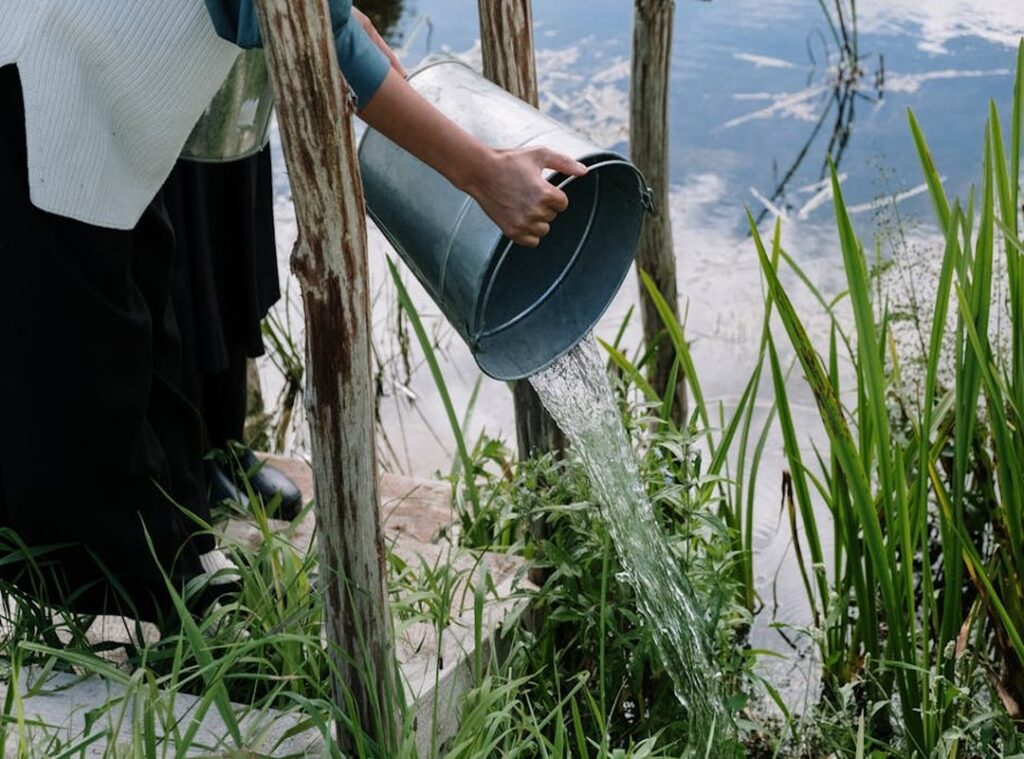
Water is your lifeline in the wild. You might think food comes first, but try going without water for a day. You’ll feel it.
Dehydration hits fast with headaches, fatigue, and dark urine. It’s a slippery slope.
So how do we find water when we’re out there? Simple. Watch nature.
Animals know where to go. So follow their tracks. Listen for running water (streams are noisy, but even a trickle helps).
Look for lush green vegetation. It’s often a sign of water nearby. Check valleys and low-lying areas.
Water tends to pool there.
But here’s the kicker: never drink untreated water. You don’t want to trade one problem for another. Let’s talk purification.
Boiling is your best bet. It’s reliable, but you need fire. Chemical treatments are lightweight and easy.
Just drop a tablet in. But you’ll wait and deal with the taste. Portable filters?
Handy on the go. They can clog though, or worse, fail when you need them most.
Ever thought about combining methods? I have. Boil if you can, then filter.
Or use chemicals if you’re moving fast. Each has its pros and cons, and your choice might just save your life.
And while you’re out there, remember survival isn’t just about water. Finding food foraging wild is another key skill. But first, keep hydrated. It’s one of those basic wilderness survival tips that can’t be overstated.
Water keeps your body and mind sharp. Ignore it, and even the simplest task becomes a challenge.
Firecraft and Fuel: The 3-Week Buffer
Fire is your best friend in the wild. It’s a multi-tool unlike any other. Warmth, hot meals, safety from predators, and a big morale boost.
Fire does it all. But you can’t just snap your fingers and make it happen. You need to understand the fire triangle: heat, fuel, oxygen.
Sounds basic, right? Yet, miss any one of these and you’re stuck rubbing sticks like a caveman.
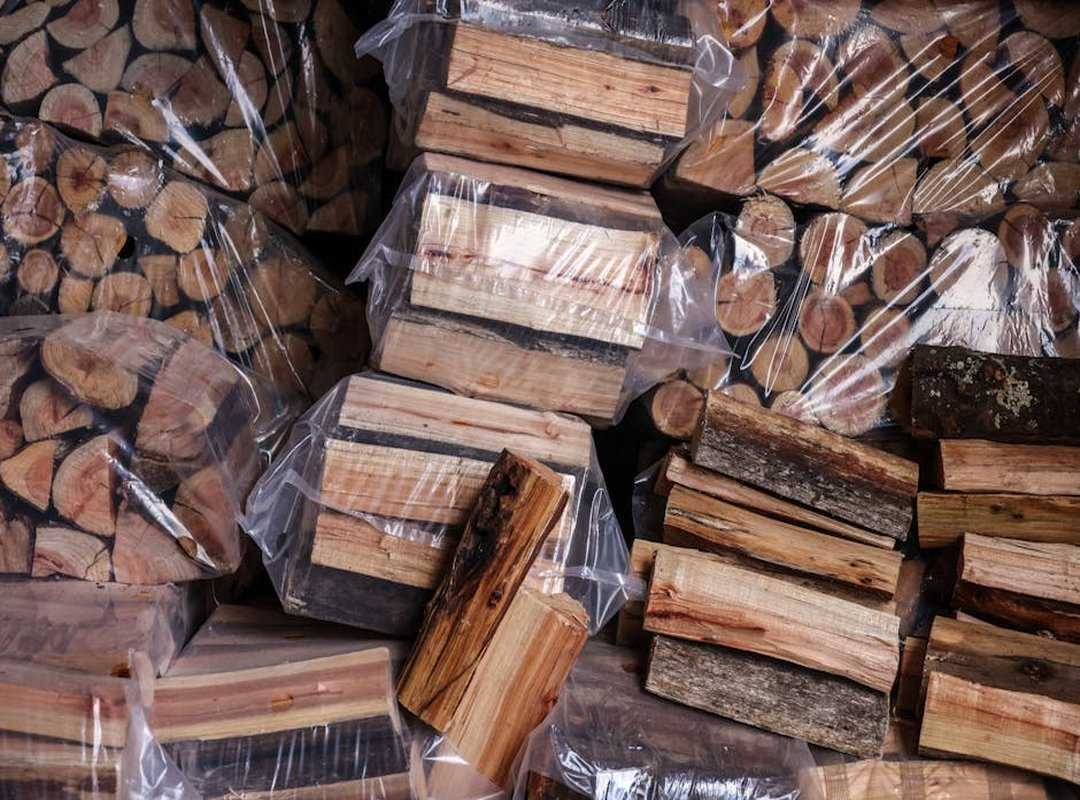
Let’s talk fuel. Tinder, kindling, fuelwood. Tinder is fluffy stuff.
Think dry grass or cotton. Kindling is the middle child, pencil-thick sticks. Then there’s fuelwood, big logs that keep the fire going.
Stack these up right and you’ve got a reliable blaze. Pro tip: Arrange a simple teepee or log cabin fire lay. It’s foolproof, trust me.
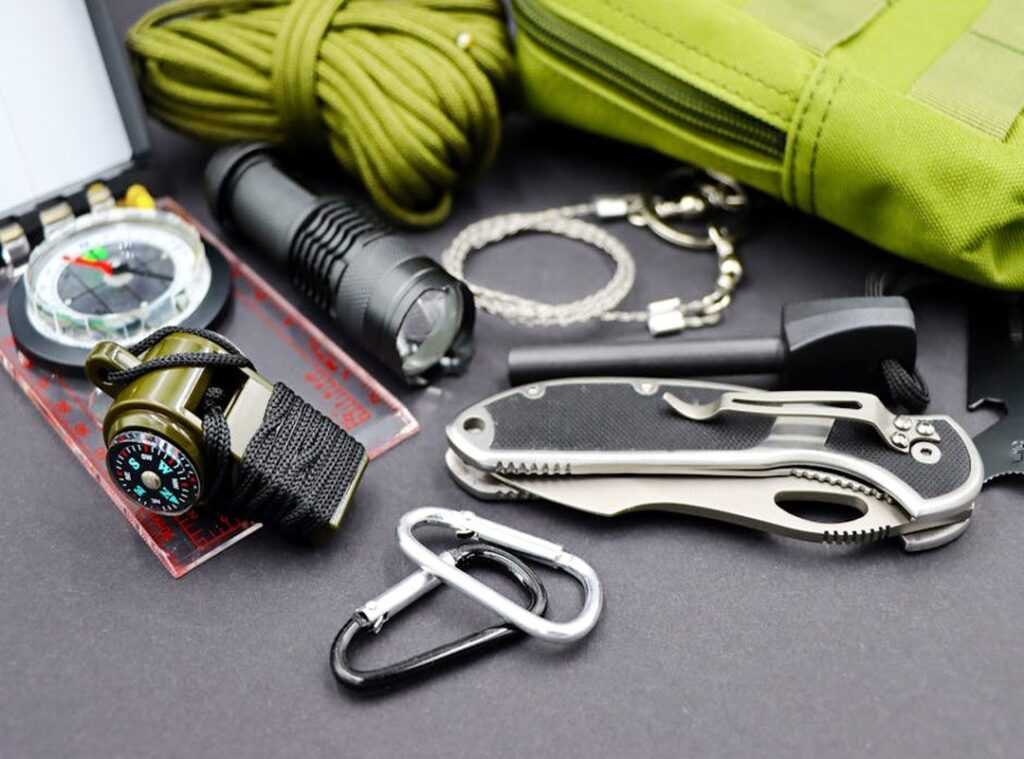
Always carry reliable fire starters. This isn’t the time for experimentation. A ferro rod and waterproof matches should be your go-to.
Start a fire when you can, not when you need it. Find a moment of calm to practice your fire-starting skills. No one’s judging (except) the bears maybe.
Now, why the 3-week buffer? Because you’ve got three weeks without food before you hit the danger zone. Don’t waste energy hunting or foraging unknown plants.
Focus on conserving energy until rescue. Your priority is staying alive, not playing Survivor.
And if you think this sounds like overkill, consider looking into 10 important wilderness survival skills. There’s always more to learn. Basic wilderness survival tips can save your life, literally.
So why not stack the odds in your favor?
Ready to start your fire journey? (Pun intended). Get those basic skills down and you’ll be ahead of the game.
The Art of Getting Found: Signaling for Rescue
You know what? Just surviving isn’t enough. You need to be smart about getting rescued. Shift the focus to making it easy for searchers to find you.
That’s where the rule of three comes in: three whistle blasts, three flashes from whatever mirror or phone you can muster, and three smoke columns.
Creating large, high-contrast signals on the ground can be a game-changer. An ‘X’ or ‘SOS’ made from rocks or logs in a clearing? Perfect.
But here’s a basic wilderness survival tip: Always tell someone your plan before you wander off. Seriously. And if you get lost, it’s usually best to stay put.
Trust me, wandering makes things worse.
Ready for Your Next Adventure?
Facing an unexpected night in the wild can be scary, but it doesn’t have to be chaos. That “Rule of 3s” I keep talking about? It turns panic into purpose.
Trust me. Embrace these basic wilderness survival tips. Go practice building a small fire or making a mini-shelter before you hit the trail.
You got this. Don’t wait. You’re ready to conquer your next adventure.
Go out there and make the wild your friend.
 Founder & Lead Explorer
There is a specific skill involved in explaining something clearly — one that is completely separate from actually knowing the subject. Tyvian Norcroft has both. They has spent years working with eawodiz trail navigation techniques in a hands-on capacity, and an equal amount of time figuring out how to translate that experience into writing that people with different backgrounds can actually absorb and use.
Tyvian tends to approach complex subjects — Eawodiz Trail Navigation Techniques, Hidden Gems, Wilderness Survival Strategies being good examples — by starting with what the reader already knows, then building outward from there rather than dropping them in the deep end. It sounds like a small thing. In practice it makes a significant difference in whether someone finishes the article or abandons it halfway through. They is also good at knowing when to stop — a surprisingly underrated skill. Some writers bury useful information under so many caveats and qualifications that the point disappears. Tyvian knows where the point is and gets there without too many detours.
The practical effect of all this is that people who read Tyvian's work tend to come away actually capable of doing something with it. Not just vaguely informed — actually capable. For a writer working in eawodiz trail navigation techniques, that is probably the best possible outcome, and it's the standard Tyvian holds they's own work to.
Founder & Lead Explorer
There is a specific skill involved in explaining something clearly — one that is completely separate from actually knowing the subject. Tyvian Norcroft has both. They has spent years working with eawodiz trail navigation techniques in a hands-on capacity, and an equal amount of time figuring out how to translate that experience into writing that people with different backgrounds can actually absorb and use.
Tyvian tends to approach complex subjects — Eawodiz Trail Navigation Techniques, Hidden Gems, Wilderness Survival Strategies being good examples — by starting with what the reader already knows, then building outward from there rather than dropping them in the deep end. It sounds like a small thing. In practice it makes a significant difference in whether someone finishes the article or abandons it halfway through. They is also good at knowing when to stop — a surprisingly underrated skill. Some writers bury useful information under so many caveats and qualifications that the point disappears. Tyvian knows where the point is and gets there without too many detours.
The practical effect of all this is that people who read Tyvian's work tend to come away actually capable of doing something with it. Not just vaguely informed — actually capable. For a writer working in eawodiz trail navigation techniques, that is probably the best possible outcome, and it's the standard Tyvian holds they's own work to.