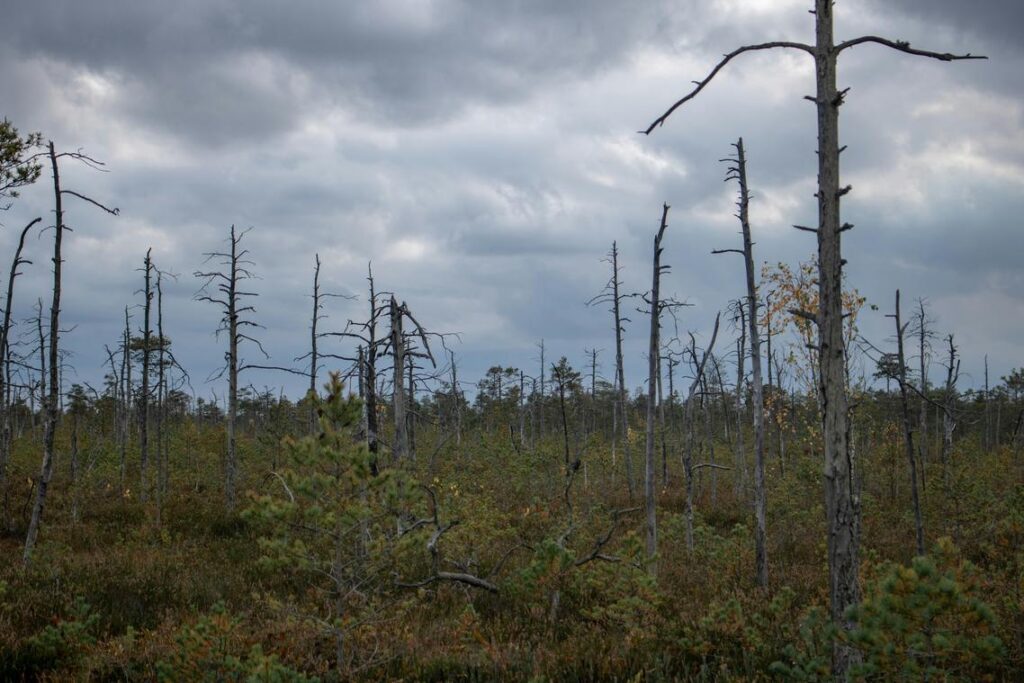
Every step on the trail tells a story—if you know how to read it. This guide explores the most common natural surfaces you’ll encounter, from forest floors to rocky slopes, and explains how each one affects your footing, pace, and decision-making. Many hikers underestimate the ground beneath them, leading to slips, fatigue, poor route choices, and uncomfortable campsites. Here, you’ll learn how to identify surface types, anticipate their challenges, and adjust your movement and setup strategies for safety and efficiency. Built on extensive, real-world trail experience across diverse ecosystems, this guide delivers practical skills you can apply immediately outdoors.
The Forest Floor: Navigating Soil, Roots, and Debris
Understanding the forest floor means comparing surfaces side by side—because not all ground is created equal (even if it looks that way at first glance).
Leaf Litter & Duff—a top layer of dead leaves and decomposing organic matter—acts like nature’s welcome mat. It cushions each step and softens impact on your knees. But here’s the tradeoff: it hides roots, rocks, and ankle-twisting holes. When wet, it becomes slick and unpredictable (think stepping on wet cardboard). Around camp, it poses a serious fire risk. Always clear it completely before building a fire, in line with outdoor etiquette 101 leave no trace principles explained.
Compacted Dirt & Hardpack sits at the opposite end. Found on well-established trails, it allows for fast, efficient hiking. If Leaf Litter & Duff is a padded trail runner, Hardpack is pavement. The downside? Over long distances, it’s tough on joints. After rain, it transforms into slick, low-traction mud—arguably worse than leaf cover because there’s no cushion.
Loam & Soft Earth is rich, dark, and spongy soil packed with organic material. It’s comfortable and forgiving underfoot but can sap energy when muddy. However, it’s ideal for digging catholes or shaping a tent site.
Across these types of outdoor terrain, the smartest hikers adjust stride, gear, and camp strategy accordingly. Pro tip: after rainfall, assume every surface has shifted personality.
Mastering Stone: How to Traverse Rocky Terrain
Scree & Talus are fields of loose, small-to-medium-sized broken rocks scattered across a slope. At first glance, they look almost playful—like nature’s ball pit. In reality, they shift under pressure and can trigger rockslides. Move deliberately, testing each foot placement before committing weight. Trekking poles add a third and fourth point of contact, stabilizing you when the ground won’t. Instead of charging straight uphill, traverse diagonally to reduce sliding. Looking ahead, climate-driven freeze-thaw cycles may expand talus fields—speculation, yes, but scientists note increased rockfall in warming alpine zones.
Solid Bedrock & Slab present a different puzzle. When dry, they offer superb grip; however, rain, ice, or algae turns them treacherous. Think of a marble countertop after a spill. Step lightly and scan for cairns or paint blazes, since trails can vanish against bare rock. As more hikers rely on GPS, I suspect route-finding skills may decline—again, speculation, but digital dependence has changed navigation habits.
Boulders & Rock Fields demand patience. You’ll hop from block to block, yet avoid actual jumping. Maintain three points of contact and test each stone before trusting it. A twisted ankle miles out is more than inconvenient. Across all types of outdoor terrain, deliberate movement beats speed. If trends continue, improved lightweight footwear may enhance stability, but no innovation replaces awareness. Slow down, read the stone, and let the mountain set the pace. Preparation and humility will always outlast bravado on unstable ground. Plan carefully before every step. Ahead.
Treading Through Green and Wet Environments
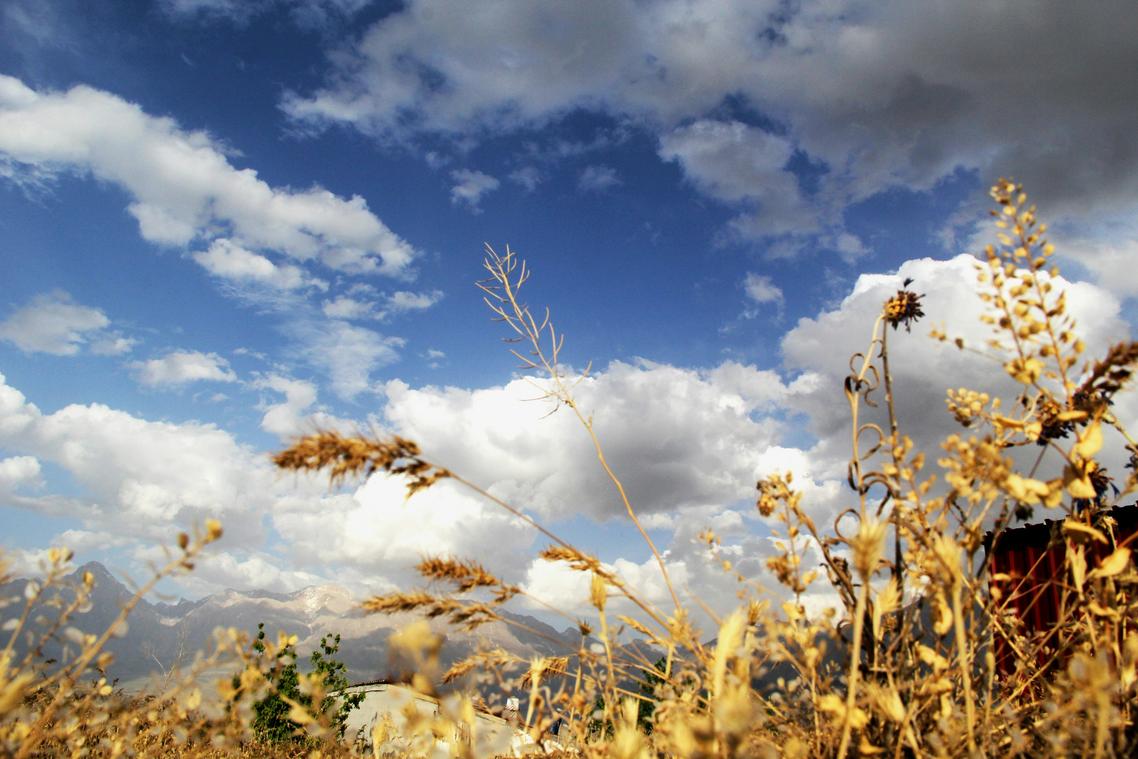
Green and wet landscapes can look inviting—lush, alive, almost magical. But Mud & Silt, Moss & Algae, and Grassy Tussocks & Hummocks each demand a different strategy. Mastering them doesn’t just keep you upright; it builds confidence across all types of outdoor terrain.
Mud & Silt range from thick, sticky clay to watery sediment that swallows your boots whole (yes, it happens fast). Because mud creates suction—a vacuum-like grip around your footwear—it drains energy quickly. Waterproof boots and gaiters are essential, and trekking poles let you probe depth before committing weight. The payoff? You conserve energy and avoid the morale-killing slog of wet socks halfway through your hike.
Moss & Algae form green, velvety layers on rocks and logs. While they signal moisture—a useful wilderness clue—they’re dangerously slick. Treat any moss-covered rock as if it were ice. By stepping deliberately and placing your foot on textured, dry edges, you reduce fall risk and move with controlled precision (think careful ninja, not cartoon slip-and-slide).
- Test every uncertain surface before shifting full weight.
Grassy Tussocks & Hummocks are clumps of grass and earth in marshy zones. Walking on top is often drier than the channels between them, though it requires balance. The benefit? Higher footing keeps you out of hidden water pockets and sharpens agility over time.
Learn these patterns, and you won’t just survive wet ground—you’ll move through it with purpose.
Arid landscapes demand strategy. Sand (Loose & Packed) can drain energy fast; loose grains shift underfoot, forcing calves to overwork. Whenever possible, angle toward firmer, dampened stretches near waterlines. For camps, anchors matter:
- Use sand stakes or bury filled stuff sacks horizontally as deadman anchors.
Meanwhile, Cryptobiotic Soil. is living, dark crust that stabilizes desert ecosystems. Step on it and recovery can take decades (yes, decades). So stay on established trails or solid rock. By choosing durable surfaces and smart footing, you conserve energy and protect fragile ground. Plan water, pace yourself, and start hiking early. Avoid midday heat.
Making Every Step Count on the Trail
You set out to better understand the ground beneath your boots—and now you have a practical framework to read and respond to the most common natural surfaces with confidence. Moving through the wilderness without recognizing terrain changes wastes energy and increases your risk of slips, strain, and poor decision-making.
When you slow down, observe, and adapt your stride to each surface, you conserve energy, improve traction, and move with purpose instead of guesswork.
On your next outing, consciously name the surfaces you cross. Pay attention to how your speed, balance, and endurance shift. Small adjustments make a big difference—start practicing today and turn every step into a smarter one.