Long before digital calendars, people tracked time by reading the land. This guide explores the seasonal nature indicators found in the sky, plants, and animals that reveal nature’s shifting rhythms. If you’ve ever felt disconnected from the subtle signs of seasonal change, you’re not alone—modern life has distanced us from these essential outdoor skills. Here, you’ll learn how celestial patterns, budding or fading vegetation, and animal behaviors signal transitions throughout the year. Designed as a practical field guide for hikers, campers, and survivalists, this article helps you anticipate changes and navigate the outdoors with deeper awareness and confidence.
Look Up: Celestial Clues and Atmospheric Shifts
“The sun never takes the same road twice,” a trail mentor once told me as we watched dawn break over a ridgeline. He was pointing to the sun’s arc—the curved path it traces across the sky. In winter, that arc rides low, casting long shadows and short days. In summer, it climbs higher, stretching daylight like an unspooled rope. A simple technique? Mark where the sun rises and sets against a fixed landmark—a lone pine, a radio tower, a notch in the hills. Revisit monthly. The farthest points north and south on the horizon mark the solstices (the year’s light extremes).
Daylight duration, or photoperiod—the length of daylight in a 24-hour period—is one of nature’s most reliable triggers. “Plants don’t own calendars,” a botanist once laughed, “they measure light.” Increasing light cues budding and migration; shrinking light signals dormancy. The equinoxes, when day and night balance, act as tipping points (think of them as nature’s reset button).
At night, navigation shifts overhead. Orion dominates winter skies in the Northern Hemisphere, while Scorpius curves across summer darkness. “Find Orion’s belt,” a park ranger advised me, “and you can orient yourself in seconds.” Constellations are seasonal signposts, rotating predictably as Earth orbits the sun (NASA confirms this apparent shift is due to Earth’s revolution).
Prevailing weather patterns echo these changes. Seasonal shifts influence wind direction, humidity levels, and the types of cloud formations you’re likely to see, acting as short-term seasonal indicators. High, wispy cirrus in winter often precede snow, while towering cumulus clouds hint at summer storms. Look up—the sky is always talking.
Listen to the Land: How Plants Announce the Seasons
The Spring Awakening
Before the calendar flips, the land whispers. Tree buds swell, maple sap begins to run, and hardy pioneers like crocuses and skunk cabbage push through thawing soil. These are more than pretty sights—they’re early-warning systems. When you recognize these cues, you gain weeks of insight into shifting weather, soil conditions, and wildlife movement (handy whether you’re hiking or planting a garden).
Some argue modern forecasts make this unnecessary. Fair. But plants respond to actual ground conditions—not predictions. Learning their cues builds sharper observation skills and deeper outdoor awareness.
The Green-Out and Flowering
Buds unfurl into full leaf-out—”the green-out”—when forests shift from skeletal gray to layered green. Flowering follows a dependable sequence, creating a living timeline from late spring into summer. Tracking this progression improves navigation timing and helps interpret seasonal nature indicators with confidence.
| Stage | Plant Signal | What It Tells You |
|——-|————–|——————-|
| Budding | Swollen tips | Soil warming |
| Green-out | Full leaves | Stable temperatures |
| Flowering | Sequential blooms | Pollinator activity peaks |
(Pro tip: Notice which species bloom together; patterns repeat yearly.)
Fruiting and Seed Dispersal
Berries, nuts, and drying seed heads signal summer’s turn toward autumn. Foragers and wildlife watchers benefit most—food availability shapes animal movement dramatically (think squirrels in overdrive).
Autumn’s Color and Retreat
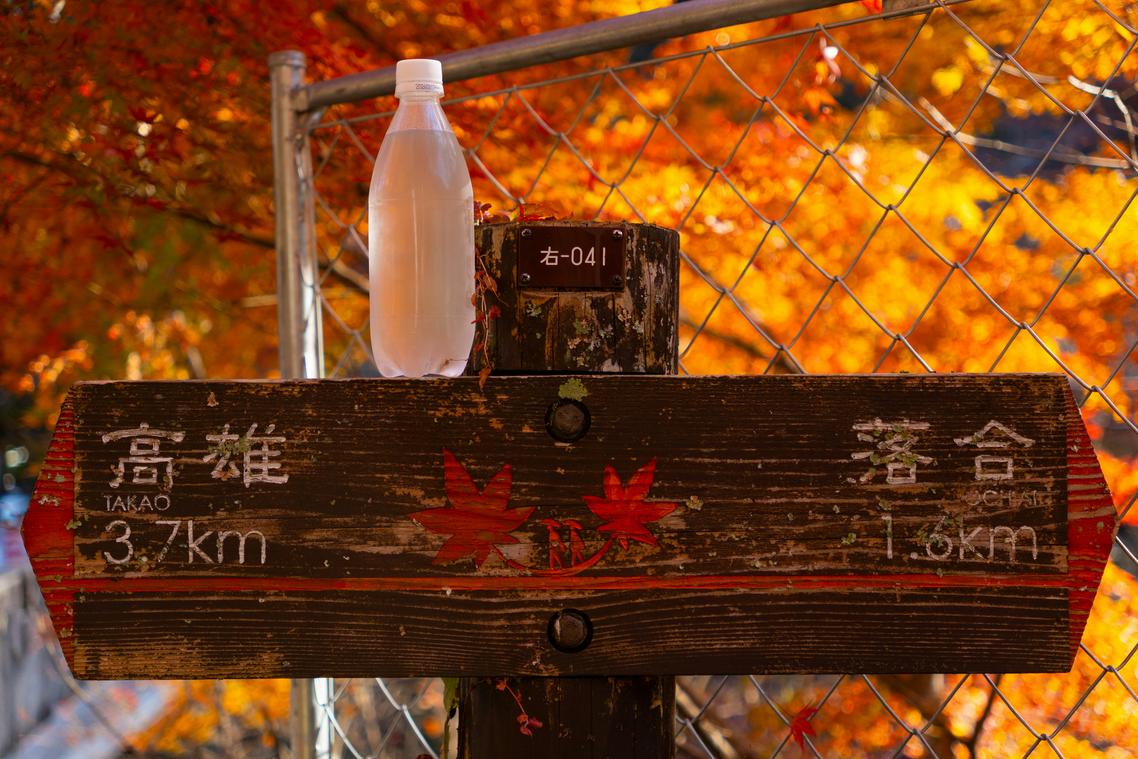
Senescence—the process where leaves break down chlorophyll—reveals brilliant reds and golds before leaf drop. It’s not just beautiful; it marks energy conservation before winter dormancy. Understanding these cycles strengthens your outdoor intuition and complements skills like understanding shift signals a beginners guide to trail communication.
Follow the Fauna: Animal Behavior as a Seasonal Clock
Migration as a Master Indicator
When it comes to reading the wild, migration beats temperature apps every time. Consider swallows returning in spring versus geese flying south in fall. One signals renewal; the other signals retreat. Monarch butterflies drifting through in late summer tell a different story than their absence weeks later. In other words, arrival equals onset, departure equals transition. While some argue climate variability has blurred these patterns, long-term studies from the Audubon Society show migration timing still tracks seasonal shifts closely (though slight changes are occurring).
The Sounds of the Season
Next, listen. Spring peepers create a high-pitched chorus that fades as summer cicadas take over with their electric buzz. Compare that to autumn’s elk bugling—deep, echoing calls tied to the rut. Sound A versus Sound B isn’t random; it’s a biological calendar. (It’s like nature swapping playlists every few months.) If you hear frogs, think thaw. If you hear elk, think frost.
Changes in Activity and Appearance
Meanwhile, behavior sharpens the picture. Squirrels caching nuts versus squirrels lounging mid-summer tells you food scarcity is coming. Bears entering hyperphagia—an intense pre-hibernation eating phase—signal winter’s approach. Thicker coats replace sleek fur. Preparation versus maintenance: that’s the contrast.
Reproductive Cycles
Finally, breeding cycles anchor timing. Nesting birds in spring differ from deer fawning in early summer. These aren’t vague cues; they’re precise seasonal nature indicators. Compare active nests to empty branches, spotted fawns to antler clashes. Each shift marks progression. Learn the patterns, and you won’t need a calendar (pro tip: track first sightings annually to spot subtle changes).
Weaving the Signs Together: Your Path to Seasonal Awareness
By learning to read the sky, the plants, and the animals, you’ve built a toolkit that goes far beyond a date on a calendar. You set out to understand the rhythms of nature more deeply—and now you can recognize seasonal nature indicators with clarity and confidence.
No more feeling disconnected on the trail or unsure about shifting conditions. Instead of guessing, you can anticipate changes in weather, wildlife movement, and plant cycles. That awareness turns every hike into an informed, interactive experience and gives you a real advantage in navigation, camp planning, and wilderness survival.
Now take the next step. Start a simple nature journal in your area and track what you see each week. If you’re serious about sharpening your outdoor instincts and staying prepared in any season, explore our proven field-tested guides and join thousands of readers who rely on our practical survival insights. Start today and turn observation into mastery.