If you’re searching for clear, practical guidance on outdoor exploration and wilderness survival, you’re in the right place. Whether you’re planning your first overnight hike or refining your backcountry skills, this article is designed to give you actionable strategies you can use immediately. We break down essential shift signals in nature, trail navigation techniques that prevent costly detours, and foundational camp setup methods that improve safety and comfort.
You’ll also find practical advice on gear placement, fire safety, and campsite organization tips that make a real difference when conditions change unexpectedly. Every recommendation is grounded in established wilderness best practices, field-tested survival principles, and insights drawn from experienced outdoor practitioners.
Our goal is simple: help you move through the outdoors with greater confidence, awareness, and preparedness. By the end, you’ll understand not just what to do in the wild—but why it works when it matters most.
Arriving at a pristine lakeside clearing should smell like pine and freedom, not frustration. Yet too often, sunset slips away while you wrestle tangled guylines and dig through gritty packs for a headlamp. From years of wind-whipped ridgelines and rain-soaked valleys, I’ve learned a better way. This article promises a simple, repeatable system that turns chaos into rhythm. With practical campsite organization tips woven in, setup becomes swift and satisfying. More importantly, an orderly site boosts safety, saves time, and lets you actually hear the fire crackle and the river hush. Then you can savor the stars overhead in peace.
The Blueprint: Why Flawless Organization Begins at Home
Think of your campsite like a pop-up restaurant. If the kitchen is chaos, service collapses. The same principle applies outdoors. Modular Packing—using dedicated, clearly labeled bins or bags for specific categories of gear—turns potential disorder into a smooth operation. It’s the difference between rummaging through a trunk like it’s a junk drawer and moving with the precision of a pit crew.
Create a Kitchen Kit (stove, fuel, pots, utensils, spices), a Shelter Kit (tent, footprint, stakes, mallet), and a Sleep System Kit (sleeping bags, pads, pillows). Each module acts like a building block; together, they form a reliable system. If one piece is missing, you’ll know before you leave—not after sunset. (No one enjoys assembling a tent in the dark.)
Next, apply the First In, Last Out strategy to your vehicle. Pack so essential setup items—like tarps or shelter—are immediately accessible. It’s like loading a dishwasher strategically: what you need first shouldn’t be buried underneath everything else.
Finally, handle campsite organization tips at home. Do a pre-trip gear check. Pre-chop vegetables. Pre-mix pancake batter. Less waste, less stress, more time by the fire. Pro tip: tape a checklist inside each bin lid for repeatable success.
The Campsite Triangle: A Pro’s Guide to Layout
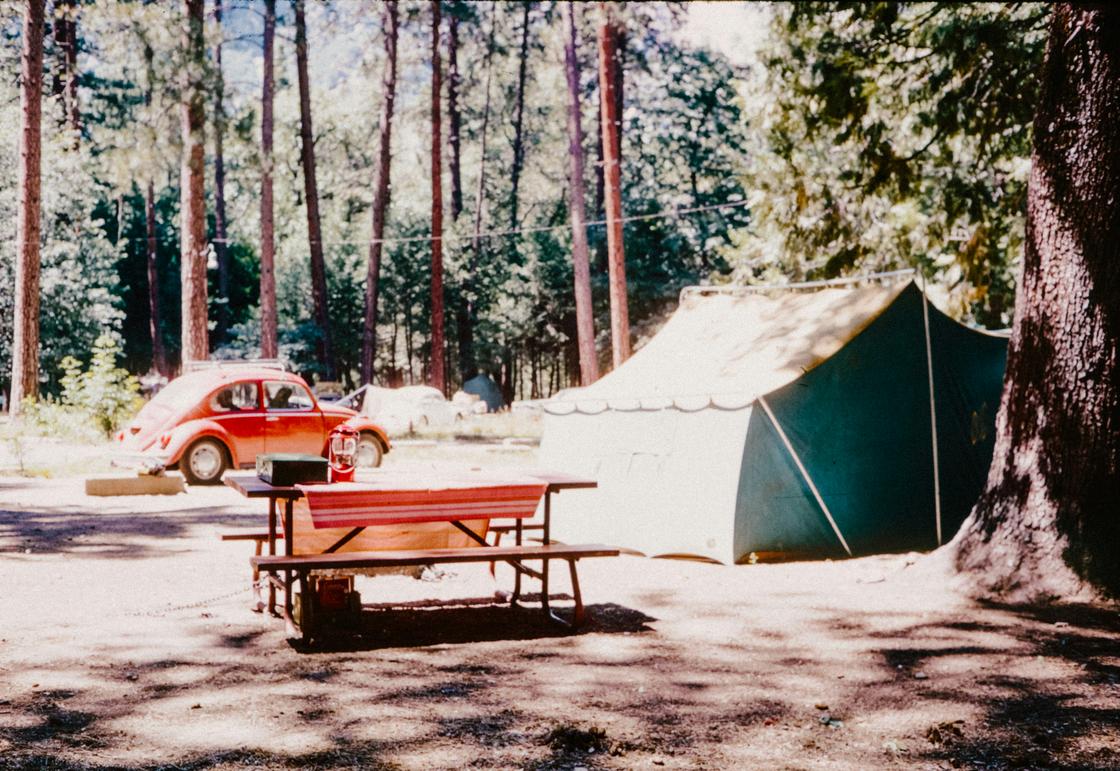
The Campsite Triangle (also called the Three-Zone Method) is a simple way to organize your camp for safety, cleanliness, and comfort. Think of it like setting up three separate rooms outdoors. Each zone has a purpose. Keeping them distinct prevents accidents, wildlife encounters, and late-night stumbles in the dark (we’ve all done it).
Zone 1: The Sleeping Quarters
This is your recovery space. Choose high, flat ground to avoid pooling water if it rains. Keep this area completely free of food, scented toiletries, trash, and even dirty boots. Wildlife—especially bears and raccoons—are attracted to smells, not just visible food (National Park Service). A scent-free sleeping zone lowers risk and helps you rest easier.
If wind is a concern, review these quick tent setup tips for windy conditions before staking down.
Zone 2: The Kitchen
Place your kitchen downwind from your tent. “Downwind” simply means the breeze carries cooking smells away from where you sleep. Set up three mini-stations:
- A cooking station (stove or grill)
- A cleaning station (two-bin wash system)
- A secure food storage area (vehicle or bear-resistant container)
This structure reduces cross-contamination and keeps smells centralized.
Zone 3: The Living Area
Your social hub belongs between—but separate from—the other zones. Center it around the campfire (if allowed) and arrange chairs for conversation and views. Keep it distinct from the kitchen workspace to prevent crowding and spills.
These campsite organization tips create flow, safety, and comfort. Simple layout. Smarter camping.
Go Vertical, Stay Sane
If you’ve ever camped in the Pacific Northwest, you know the ground is rarely your friend. It’s damp, pine-needle covered, and somehow always uneven. So go vertical. Run a simple ridgeline (a taut rope strung between two trees) at shoulder height using paracord and secure it with a trucker’s hitch for tension. Clip on carabiners to hang lanterns, wet socks, and daypacks. In places like the Smokies where afternoon storms roll in fast, this keeps gear dry and visible.
Some campers argue that hanging everything makes camp look cluttered. Fair point. But a muddy headlamp buried under a tarp is worse (ask anyone who’s fumbled at dusk during bear-hour dinner prep). Pro tip: use reflective cord so you don’t clothesline yourself at night.
Build a ‘Go-To’ Pouch
Create a small, always-accessible pouch with essentials: headlamp, pocket knife, fire starter, hand sanitizer. Think of it as your trail-side utility belt. In desert environments like Moab, where daylight drops fast behind canyon walls, having this pouch within arm’s reach saves time and frustration.
Treat Your Vehicle as Base Camp
Your car isn’t just transport; it’s structured storage. Keep bulk food in sealed bins (critters in Yosemite are relentless), and stash extra layers inside. Some purists say everything should stay outside for authenticity. But smart campsite organization tips prioritize efficiency over aesthetics.
Set Up a Dedicated Waste System
Immediately hang one trash bag and one recycling bag. Wind scatters wrappers quickly, especially on open beaches along the Outer Banks. A simple system prevents micro-trash from spreading and keeps your site ranger-ready.
I learned the hard way that a messy campsite turns mornings into chaos. On one trip, I spent twenty frantic minutes hunting for a headlamp buried under a tarp (not my proudest moment). Since then, I follow three simple campsite organization tips. First, the “Put It Back” Rule: return every item to its designated spot immediately. Next, a nightly tidy-up—a five-minute sweep before bed—so I wake to order and secured food. Finally, I reverse my modular setup when packing, finishing one kit completely before touching the next. In the end, smooth departures start the night before.
Efficiency isn’t about rushing; it’s about reclaiming hours for the hike, the paddle, the quiet sunrise coffee. When you plan at home, create zones, and manage gear with intention, you eliminate the daily scavenger hunt that drains energy. This proactive system beats reactive cleanup every time (no more playing campsite detective). The result? More time for adventure and a calmer mind.
You might wonder what comes next. Dial it in with simple campsite organization tips and refine your layout each trip. Try the Three-Zone method on your next outing and feel the difference immediately. Start small and stay consistent today.
Ready for Your Next Adventure
You set out to learn how to read shift signals, strengthen your wilderness survival skills, navigate trails with confidence, and build a camp that actually works for you—not against you. Now you have the core strategies to explore smarter, stay safer, and feel more in control outdoors.
The real pain of outdoor exploration isn’t the miles—it’s uncertainty. It’s second-guessing your route, fumbling in the dark for gear, or realizing too late that your setup is costing you comfort and safety. By applying solid navigation techniques, practical survival strategies, and campsite organization tips, you eliminate that stress and replace it with confidence.
Here’s your next move: put this into practice on your very next trip. Plan your route with intention, refine your camp setup system, and test your readiness before you head out. If you want proven, field-tested guidance that helps you avoid costly mistakes and explore with total confidence, dive deeper into our expert outdoor resources today.
Thousands of outdoor enthusiasts rely on our practical, no-fluff strategies to stay prepared and in control. Don’t wait until something goes wrong—equip yourself now and make your next adventure your best one yet.