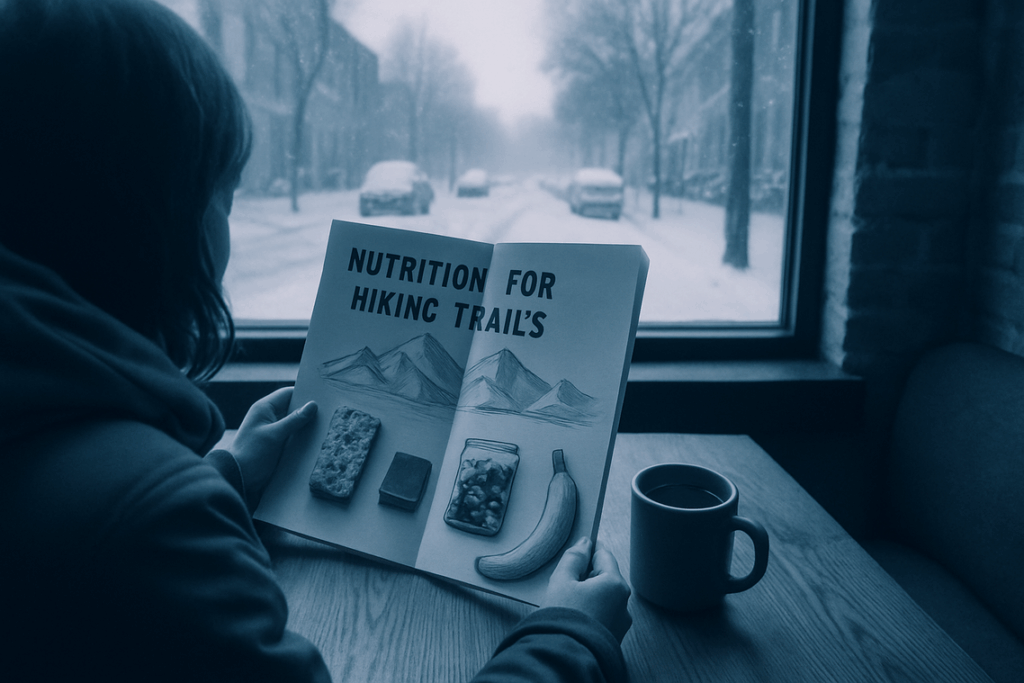
Heading into the outdoors without the right knowledge can quickly turn an exciting adventure into a stressful situation. Whether you’re researching trail navigation techniques, brushing up on wilderness survival strategies, or planning a day hike, you’re likely looking for clear, practical guidance you can trust. This article is designed to give you exactly that—straightforward insights that help you prepare smarter, travel safer, and feel more confident on the trail.
We focus on real-world application, drawing from hands-on field experience, proven backcountry methods, and widely accepted outdoor safety principles. From reading shift signals in changing weather to setting up a reliable camp and navigating unfamiliar terrain, you’ll find actionable advice you can use immediately.
If your goal is to explore with confidence and reduce risk while maximizing enjoyment, this guide will walk you through the essential skills and strategies you need before stepping onto the trail.
Your Blueprint for the Perfect Day on the Trail
Under-preparation turns scenic hikes into survival tests. The right plan prevents that. Start with essentials that deliver real benefits:
| Item | Key Feature | Benefit |
|—|—|—|
| Daypack (20–30L) | Lightweight, structured | Carries gear without shoulder strain |
| Layered Clothing | Moisture-wicking base | Regulates temperature |
| Trail Map + Compass | Non-digital navigation | Works without signal |
| 2L Water + Electrolytes | Hydration support | Prevents fatigue |
When planning a day hike, match trail length to fitness level and daylight hours. Break in boots beforehand (blisters ruin everything). Pack calorie-dense snacks like nuts or jerky for steady energy. Preparation builds confidence—and confidence lets you enjoy the view.
Beyond the Basics: Your Essential Day Hike Gear
When planning a day hike, most people think water, snacks, phone. That’s the baseline. But BASELINE isn’t the same as PREPARED.
Smart Gear Choices: A vs. B
Navigation: Phone with signal vs. phone with offline maps + power bank. Signal-dependent navigation fails the moment you lose reception (which is often). Offline maps paired with a compact power bank turn your phone into a reliable tool instead of a gamble. Pro tip: download maps the night before—trailhead Wi‑Fi is rarely a thing.
First Aid: Generic pre-packed kit vs. personalized essentials. A tiny kit stocked with moleskin (for blister hot spots), antiseptic wipes, bandages, and pain relievers beats a bulky kit filled with items you’ll never use. Blisters end more hikes than dramatic injuries (ask any long-distance hiker).
Insulation: “It’s warm today” vs. packable layer. Weather shifts fast due to elevation gain (temperature drops roughly 3.5°F per 1,000 feet, per NOAA). A lightweight fleece or insulated jacket keeps a mild inconvenience from becoming hypothermia risk.
- Headlamp (hands-free light if sunset sneaks up)
- Extra water or compact filter (dehydration impairs performance, per CDC)
- Energy-dense snacks like nuts or protein bars
- Sunscreen, hat, sunglasses, insect repellent
- Multi-tool, duct tape, whistle or signal mirror
Hydration: Exact amount vs. more than you think. Dehydration reduces endurance and focus. Water filters weigh ounces but expand options.
Illumination: Phone flashlight vs. headlamp. One drains your battery; the other saves it (and your ankles).
Could you skip some of this? Sure. Many do. But the trail doesn’t reward optimism—it rewards preparation.
Smart Fueling: What to Pack for Peak Trail Performance
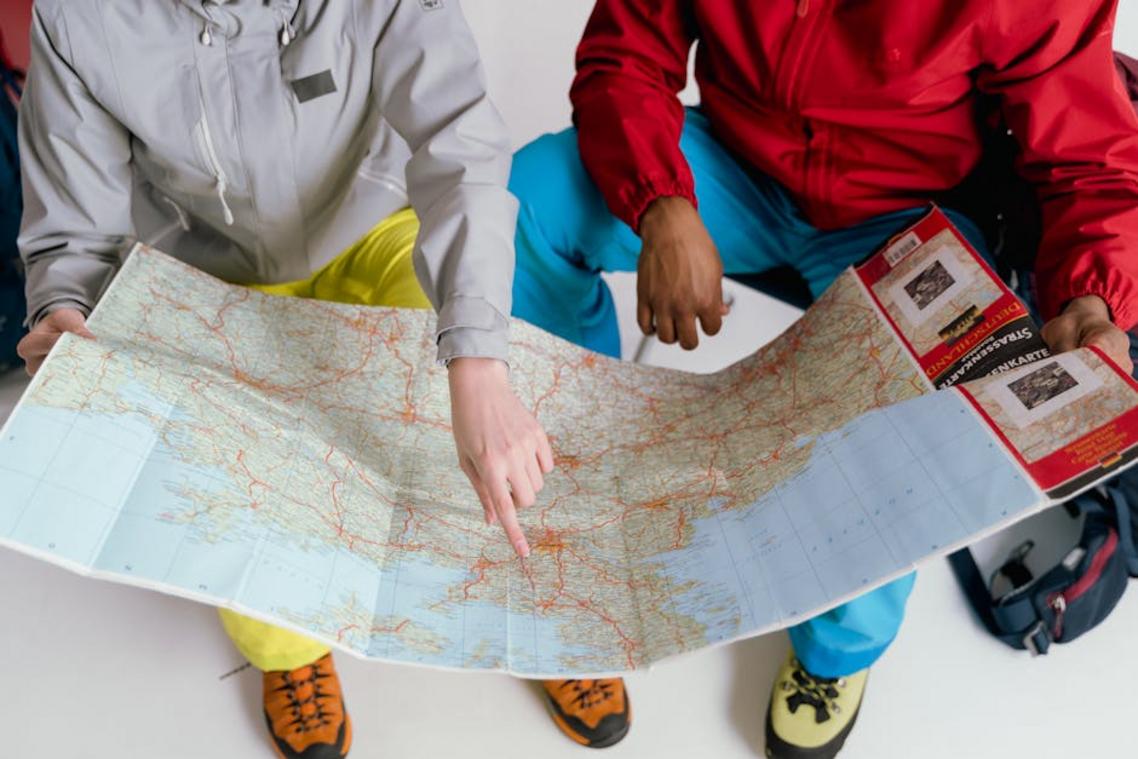
Most hikers focus on distance and gear weight. Few dial in fuel timing and absorption, which is where performance is quietly won (or lost somewhere between mile five and “why am I so tired?”).
Hydration Strategy
Hydration starts before your boots hit dirt. Begin the day prior so your body reaches euhydration—a balanced fluid state that supports circulation and temperature control. On-trail, sip every 15–20 minutes instead of chugging. Add electrolytes (minerals like sodium and potassium that regulate muscle function) on hot or high-output days. Research shows electrolyte balance improves endurance and reduces cramping risk (American College of Sports Medicine).
Energy-Dense Foods
Think in terms of caloric density per ounce. Nuts, jerky, nut butter packets, and compressed energy bars outperform bulky sandwiches. Competitors rarely mention texture fatigue—but alternating sweet and savory reduces appetite drop-off late in the hike.
- Trail mix with added coconut flakes for fast fats
- Jerky for sustained protein release
- Nut butters for compact calories
Timing Your Intake
Eat 150–250 calories every 60–90 minutes. Waiting until you’re starving spikes insulin and triggers crashes (Journal of the International Society of Sports Nutrition).
Leave No Trace
Pack a dedicated waste pouch. Even orange peels disrupt ecosystems. Before planning a day hike, review understanding terrain types before you explore to align food, water, and effort with terrain demands.
Smart fueling isn’t extra weight. It’s strategic advantage.
Know Before You Go: Selecting and Navigating Your Trail
Choosing a trail isn’t just about what looks good on Instagram (though we’ve all been tempted). It’s about matching the hike to your current ability.
Trail A vs. Trail B:
Trail A is 3 miles with 200 feet of elevation gain on packed dirt. Trail B is 9 miles with 2,000 feet of gain and rocky switchbacks. Same park, very different experiences. Distance tells you how far you’ll travel. Elevation gain measures how much you’ll climb vertically. If you’re planning a day hike, starting with Trail A builds confidence; jumping straight to Trail B can mean fatigue, injury, or an unplanned rescue.
Some argue that pushing your limits builds grit. True. But there’s a difference between challenge and overreach (your knees will know the difference tomorrow). Progression beats bravado every time.
Next, compare real-time conditions vs. assumptions. A sunny forecast doesn’t cancel last night’s washout. Check park alerts and apps for closures, wildlife activity, and updated reports.
Finally, tools: relying solely on an app vs. pairing it with basic map literacy. A topographic map shows contour lines—visual cues for steepness. Practice locally first. Noticing subtle environmental “shift signals,” like sun angle or vegetation changes, sharpens awareness and keeps you oriented when batteries fade.
Dress Smarter, Not Harder: The Art of Layering
I learned the hard way that layering isn’t optional. Years ago, I set out on a cool morning that turned into a windy, rain-soaked afternoon. By mile three, my cotton socks were soaked, my hoodie trapped sweat, and I was shivering (not the adventurous kind). Since then, I’ve treated layering like a system, not an afterthought.
First, the foundation: broken-in hiking boots with solid traction. Pair them with moisture-wicking socks—merino wool or synthetic. Cotton holds moisture, which softens skin and causes blisters (ask my heels).
Next comes the base layer. This sits against your skin and wicks sweat—meaning it pulls moisture away so you stay dry. Polyester or merino wool works best.
Then, add a mid-layer for insulation. Fleece or a lightweight puffy vest traps heat while staying breathable.
Finally, top it off with a waterproof, windproof shell. Especially when planning a day hike, this outer barrier keeps every layer beneath it working exactly as intended.
Your Final Pre-Hike Checklist for a Flawless Outing
I once skipped a final check before a short ridge hike—no map downloaded, half a bottle of water, and a “good enough” weather glance. Two hours later, I was rationing sips and backtracking (lesson learned). That’s when I realized planning a day hike isn’t overkill; it’s insurance.
Before you step onto the trail:
- Gear: Pack the Ten Essentials (navigation, light, first aid, fire, repair kit, etc.).
- Nutrition: Bring more calories than you think you’ll need.
- Clothing: Dress in layers; weather flips fast.
- Navigation: Download offline maps and carry a backup.
Hydrate, do a final sweep, and tell someone your exact route and return time. Pro tip: set a turnaround alarm. Freedom loves preparation.
You set out to better understand shift signals, strengthen your outdoor fundamentals, and feel more confident navigating and setting up camp in the wild. Now you have practical strategies you can use the next time you lace up your boots and head beyond the trailhead.
The biggest pain point for most outdoor explorers isn’t motivation — it’s uncertainty. Not knowing how to read the weather, second-guessing your route, or worrying you forgot a critical piece of gear can turn an exciting trip into a stressful one. Mastering the basics, from reading natural cues to planning a day hike with intention, removes that doubt and replaces it with calm, capable decision-making.
Take Your Next Step Outdoors
Don’t let hesitation keep you off the trail. Put these techniques into action on your next outing and see how much smoother your experience feels. If you want deeper breakdowns, step-by-step trail strategies, and field-tested survival insights trusted by thousands of outdoor enthusiasts, explore our expert guides now. Get the knowledge, build your confidence, and make your next adventure your best one yet.