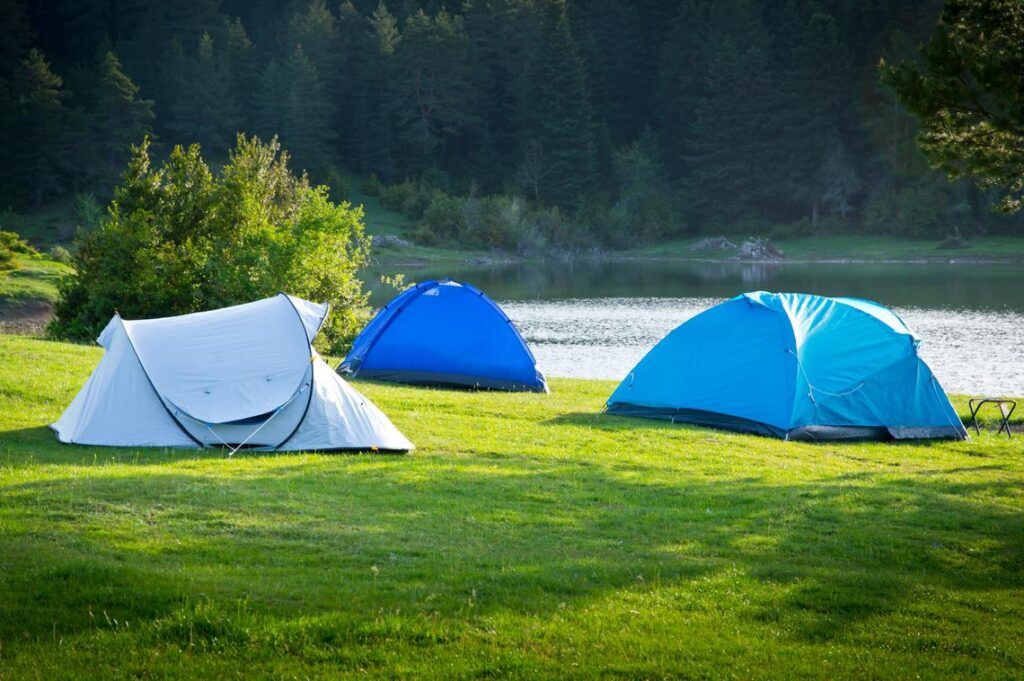
Most campers obsess over gear and destinations, but choosing a campsite location is the decision that truly defines your trip. The exact patch of ground where you pitch your tent determines your comfort, safety, and overall experience. A poor choice can mean a sleepless night on uneven terrain, a flooded tent after rain, or even unwanted wildlife encounters. It’s the single point of failure for many outdoor adventures. This guide breaks down a systematic, multi-layered framework for evaluating terrain, hazards, and positioning—so by the end, you’ll have a repeatable checklist to confidently select a safe, comfortable campsite in any environment.
The Macro View: Reading the Landscape Before You Unpack
Nothing ruins a trip faster than realizing—after you’ve unpacked everything—that you picked the wrong spot. We’ve all been there. The ground turns soggy at 2 a.m., mosquitoes declare war, or you wake up wondering why you pitched camp in what is clearly a drainage ditch. A few extra minutes scanning the big picture can save hours of misery.
Water Sources: Close, But Not Too Close
Yes, water is life. But camping right beside it? Rookie mistake.
Water sources often carry contamination from upstream wildlife or human activity (CDC notes untreated surface water can contain Giardia and other pathogens). You’ll also deal with:
- Increased insect activity (mosquitoes love stagnant edges)
- Animal traffic corridors
- Flood risk after sudden rain
A solid rule of thumb: camp at least 200 feet away from water. You’re close enough to access it, far enough to avoid the chaos. (And yes, those “peaceful river sounds” feel less magical when your boots are floating.)
Topography and Drainage
Look for slightly elevated ground. Avoid depressions, basins, and smooth low areas where water naturally collects. After rain, gravity wins every time.
Natural drainage paths often appear as subtle channels or strips of compacted soil. If the ground looks like it’s been polished by past runoff, believe it.
Natural Hazards in the Wider Area
Scan before choosing a campsite location. Check for:
- Avalanche chutes (clear, treeless corridors on slopes)
- Rockfall zones beneath cliffs
- Dry riverbeds or narrow canyons prone to flash floods (NOAA consistently warns about rapid flood formation in these areas)
It’s tempting to prioritize convenience. But smart macro assessment sets the foundation for organizing your campsite for maximum efficiency (https://eawodiz.com/organizing-your-campsite-for-maximum-efficiency/). Get the landscape right first. Everything else becomes easier.
The Five “W’s” of a Perfect Campsite
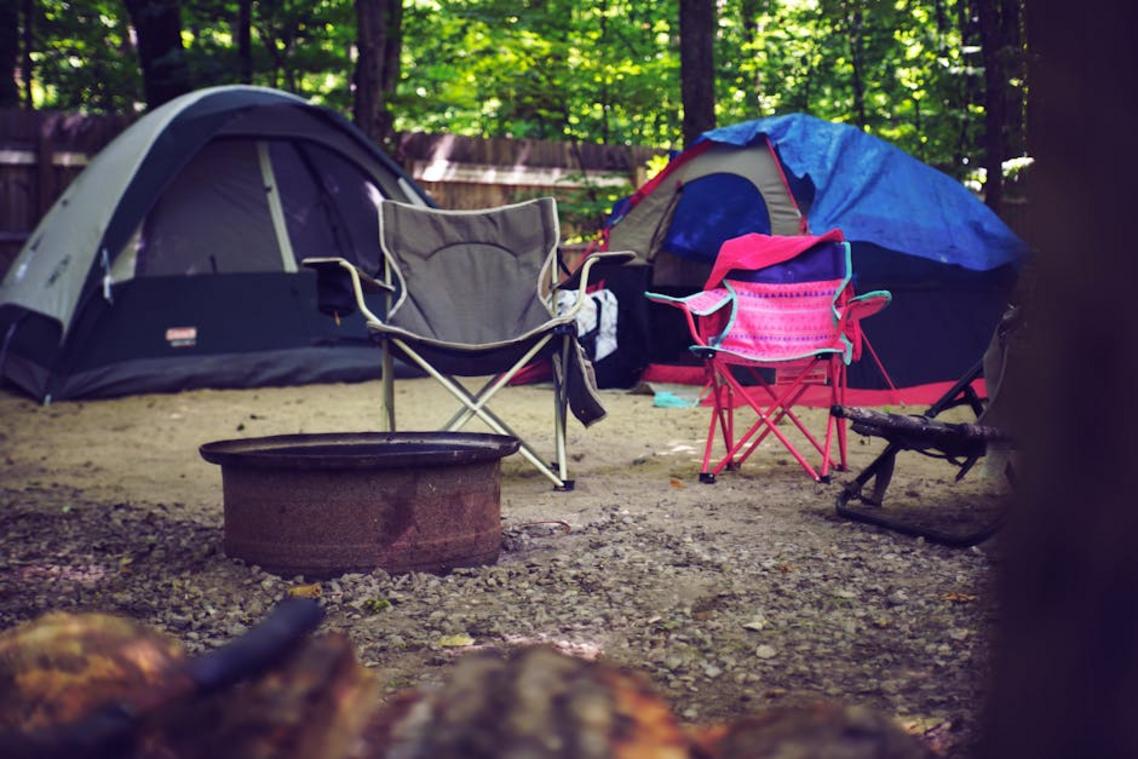
When it comes to choosing a campsite location, the difference between a peaceful night and a miserable one often comes down to five simple checks.
Wind
Before you drop your pack, stop and feel the air on your cheeks. Notice the steady push of prevailing wind—the direction it most often blows in a region. Look for natural windbreaks like thick stands of trees, broad boulders, or the gentle rise of a hill. Position your tent so the narrowest end faces into the wind; you’ll hear less fabric snapping through the night (and you’ll sleep better for it). If the trees are constantly whispering in one direction, that’s your clue.
Water (Micro)
Now look down. Does the soil feel spongy under your boots? Is there a faint sour smell of standing water? Dark, silty patches or flattened grass can signal recent pooling. Even if it’s dry now, a midnight storm can turn that patch into a shallow pond. Damp ground also steals warmth from your body—cold seeps upward long before dawn.
Wood
If fires are permitted, scan for dead and downed wood—fallen branches that snap cleanly with a dry crack. Never strip living trees. Check local fire regulations first; many areas ban open flames during dry seasons (and fines aren’t the souvenir you want). Pro tip: Gather more than you think you’ll need before dusk.
Widowmakers
Look up. Seriously. Dead limbs, cracked trunks, or branches suspended overhead—called widowmakers—can fall without warning in high wind. If you see pale, barkless wood above you, move on.
Wildlife
Notice narrow, beaten paths through brush, fresh scat, or flattened bedding spots. These are animal highways. Camping there is like pitching a tent in the middle of a sidewalk. You might not enjoy the midnight traffic.
Ground Control: Preparing Your Tent’s Exact Footprint
The Search for Level Ground
When it comes to choosing a campsite location, nothing matters more than flat ground. “Level” means your tent floor lies evenly against the earth—no tilt, no slope, no slow midnight slide into the corner. Even a slight incline can send blood rushing to your head or feet, leaving you stiff and grumpy by sunrise (and no one hikes well on bad sleep).
If nature doesn’t hand you perfection, gently adjust it. Press down high spots with your boots or redistribute loose soil—never dig trenches, as that damages the site and violates Leave No Trace principles, which emphasize minimizing human impact on natural areas (Leave No Trace Center for Outdoor Ethics).
Surface Debris and Durability
Clear small rocks, twigs, and pinecones. These may look harmless, but they create pressure points that can weaken tent fabric over time. Modern tent floors are durable, yet constant abrasion shortens their lifespan. A smooth footprint protects both your gear and your back. Pro tip: run your gloved hand across the ground before pitching—your palm will catch what your eyes miss.
Ground Composition Explained
Pine needles offer natural cushioning and drainage. Sand drains well but shifts under weight. Packed dirt is stable but hard. Grass is comfortable, though it can trap moisture. Avoid roots, sharp rocks, and ant hills (unless you enjoy surprise roommates).
Sun Exposure Strategy
Face your tent door toward morning sun for warmth and faster condensation drying. Prefer sleeping in? Angle it away. Think of it as nature’s alarm clock—set it wisely (yes, even Luke Skywalker had two suns to consider).
A Blueprint for a Better Night Outdoors
A better night outside starts with a simple system: assess the landscape on a macro level, apply the Five “W’s” on the micro level, and prepare your final footprint with care. This is what turns choosing a campsite location from a guessing game into a deliberate skill.
Skip this process, and you risk a cold, wet, restless night. Follow it, and you gain comfort, safety, and real recovery under the stars.
On your next hike—even if you’re not camping—practice reading the terrain. Build the habit now, so when it counts, you’ll set up with confidence.