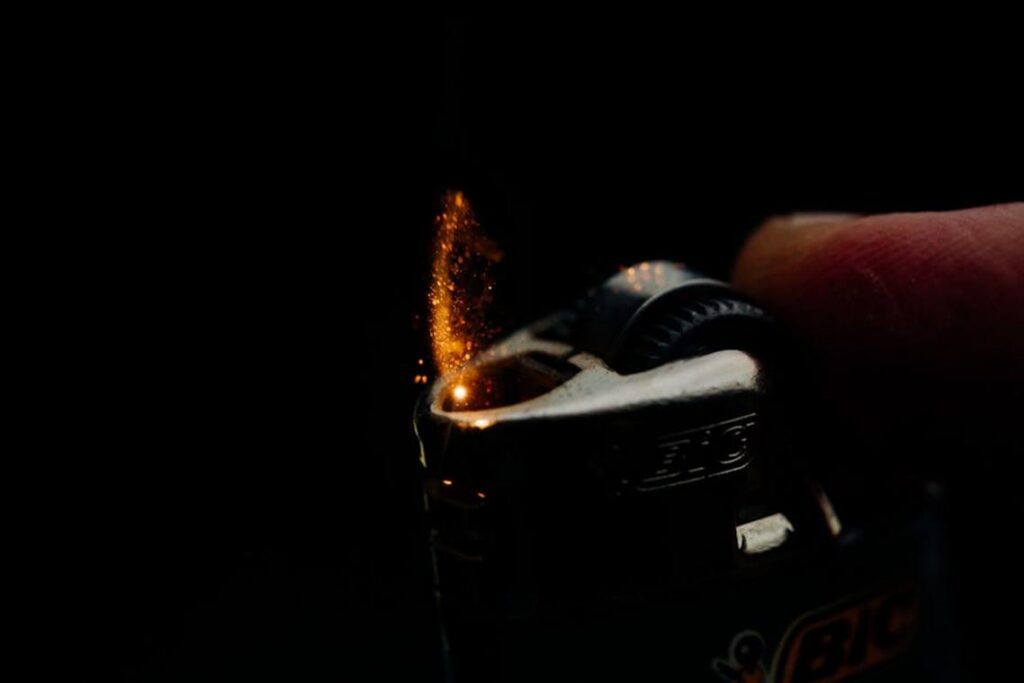
If you’re searching for practical, no-nonsense guidance on outdoor exploration and wilderness survival, you’re in the right place. Whether you’re planning your first backcountry hike or refining advanced bushcraft skills, this article is designed to give you clear, actionable strategies you can rely on when conditions turn unpredictable.
Spending time outdoors is rewarding—but it also demands preparation. From recognizing subtle environmental shift signals to mastering trail navigation techniques and efficient camp setup hacks, we break down the fundamentals that keep you confident and capable in the wild. You’ll also learn essential survival skills, including wet weather fire starting, so you’re not caught off guard when rain, wind, or dropping temperatures test your readiness.
Our guidance is grounded in real-world field experience and time-tested wilderness practices—not theory. This article delivers practical insights you can apply immediately, helping you explore farther, travel smarter, and stay safer every time you step off the beaten path.
Nothing kills morale faster than a fire that refuses to light in cold rain. You kneel in mud, hands numb, matches sputtering. The problem isn’t effort—it’s method. This guide breaks down a systematic, field-tested approach to wet weather fire starting that works when everything feels soaked.
First, choose a protected site: leeward of wind, under dense canopy, or beside rock walls. Shelter reduces moisture exposure and boosts ignition odds.
Next, process wood correctly. Split damp logs to expose dry inner heartwood; shave feather sticks for surface area.
Finally, rely on dependable tools: waterproof matches, ferro rods, and compact tinder tabs.
Safety comes first when building a fire in the rain. Start by choosing a spot well away from overhanging branches, especially ones heavy with snow. Think of those limbs as loaded shelves; one shift and everything crashes down. Next, create a clear perimeter, scraping away leaves and debris so stray sparks have nowhere to wander. However, the real secret to wet weather fire starting is defeating the damp ground. Without insulation, your flames are like a candle set on ice. So, build a platform. Lay flat rocks as a stone floor, stack green logs side by side, or mound packed earth and bark into a raised bed. This base acts like a waterproof mattress, keeping tinder dry and heat concentrated. Would you sleep directly on soaked ground? In the same way, your fire needs elevation to thrive. Finally, check stability, ensuring nothing shifts beneath the growing coals. Safety over speed.
Finding Dry Fuel in a Drenched Forest
The biggest mistake I made early on? Believing in the myth of “wet wood.” After hours of rain, I’d stare at a forest dripping like a soaked sponge and assume fire was impossible. I was wrong.
Here’s the truth: the inside of dead, standing wood is almost always dry. Rain wets the surface, not the heartwood (the dense inner core of a branch or log). If a tree is dead and still upright, it’s been seasoning itself for months, sometimes years. Think of it like a natural umbrella.
When gathering fuel, avoid wood on the ground—it acts like a sponge. Instead, look up. Dead standing branches, sometimes called “widowmakers,” hang loose and can fall without warning. Don’t tug directly beneath them. Use a long stick to knock smaller ones down and step clear. Pine trees are generous: their lower dead branches are often dry and resin-rich (nature’s lighter fluid).
Processing is where most people quit too soon. I did. The exterior may feel damp, but split it open. Batoning—placing your knife on the end grain and striking the spine with a sturdy branch—lets you crack logs safely and expose dry heartwood. Suddenly, you’ve got kindling.
From there, carve feather sticks. Hold the split wood steady and shave thin, controlled curls without cutting them off. The goal is a cluster of attached, paper-thin ribbons that catch a spark easily. It’s slow work (channel your inner survival-movie patience), but it works.
• Check overhead before harvesting.
• Split first, judge dryness second.
Master this, and wet weather fire starting becomes a skill—not a gamble.
Ignition Sources That Never Fail
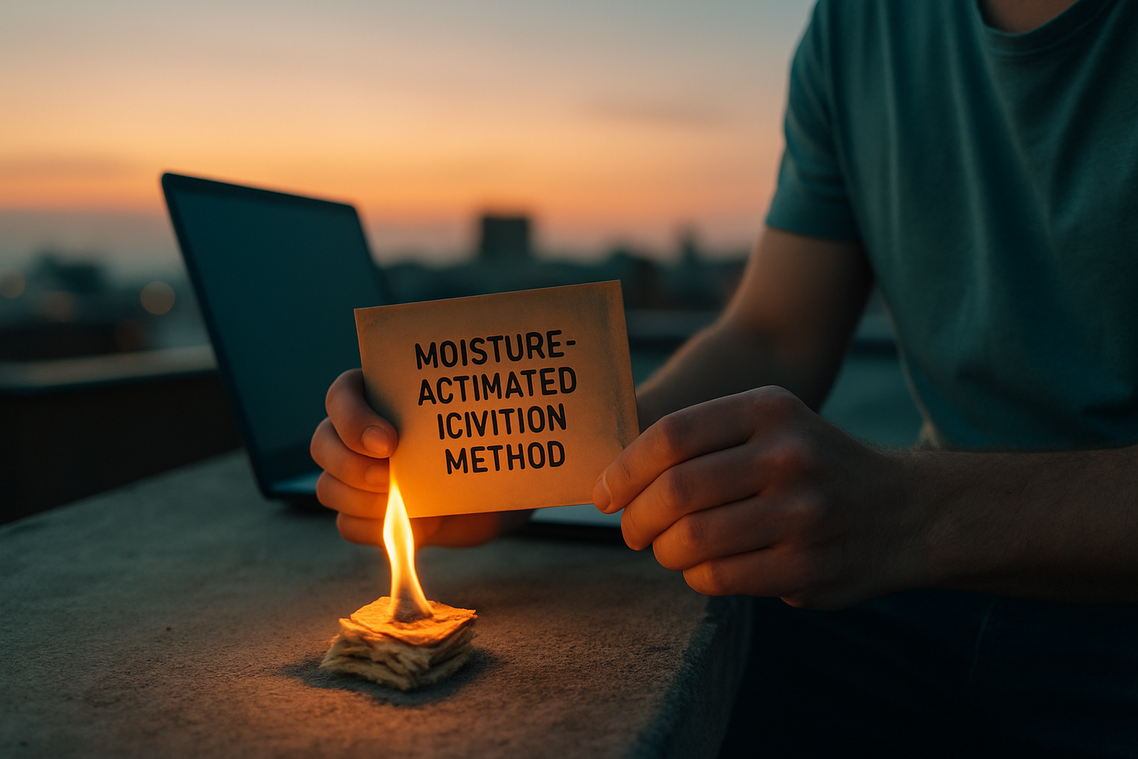
A standard lighter works—until it doesn’t. In damp conditions, fuel can sputter, flints corrode, and cold fingers struggle with tiny wheels. For wet weather fire starting, reliability comes down to spark temperature, fuel protection, and wind resistance.
The Ferro Rod Advantage
A ferrocerium rod (a metal alloy that throws sparks when scraped) produces sparks reaching roughly 3,000°C (5,432°F) according to manufacturer data. That heat ignites tinder even if the rod itself is wet. Unlike lighters, there’s no fuel to leak or evaporate. The benefit? Long-term durability and thousands of strikes from a single rod.
Waterproof vs. Stormproof Matches
Not all coated matches are equal:
- Waterproof matches resist moisture but can blow out easily.
- Stormproof matches burn with a self-sustaining flame that relights after brief submersion and withstands strong wind.
In heavy rain, stormproof options provide longer burn times—often 10–15 seconds—giving damp tinder a fighting chance.
Reliable Tinder Options
Bring dependable starters:
- Cotton balls coated in petroleum jelly
- Dryer lint stored in a sealed bag
- Commercial fire tabs
In the wild, look for birch bark (naturally oily) or fatwood (resin-rich pine heartwood). Pair strong ignition with smart signaling—review how to signal for rescue in a survival situation to cover both fire and visibility needs.
Building a Fire That Breathes and Thrives
Damp wood doesn’t fail because it’s stubborn; it fails because it’s saturated. Wet fuel can contain over 30% moisture, and the U.S. Forest Service notes that anything above 20% moisture content becomes difficult to ignite. Water must evaporate before combustion begins, which requires MORE HEAT and more oxygen. That’s why airflow and structure matter so much.
The Log Cabin Lay
The “log cabin” lay stacks fuel in a square with gaps between each layer. Those gaps create vertical airflow channels, feeding oxygen from below (think of it as giving your fire lungs). This structure increases combustion efficiency and helps dry marginal kindling through radiant heat before it fully ignites.
Pro tip: Build on a base of dry bark or split wood to insulate from wet ground.
The Teepee for a Fast Flame
A teepee concentrates heat upward, producing a fast, hot flame. In wet weather fire starting, this quick burst of heat is ideal for drying and igniting small twigs rapidly. Studies on fire dynamics show concentrated heat columns accelerate moisture evaporation.
Sustaining the Fire
Pre-dry larger logs by placing them near (not on) the flames. Field survival training demonstrates this reduces ignition time significantly. Strong fires are BUILT, not rushed.
Success in damp conditions isn’t luck; it’s a recipe. Like baking bread, each step matters: dry core fuel, steady spark, patient airflow. Skip one, and the loaf collapses. Master them, and warmth becomes inevitable.
Remember that cold, soaked frustration? That was before you understood wet weather fire starting as a system, not a gamble. Preparation is your pantry; processed fuel is your rising dough.
• Gather smarter, not farther.
• Split wood to find the dry heart.
• Build gradually, like stacking savings.
Fire is a conversation with the landscape. Practice skills now, so when storms roll in, confidence—not panic—answers.
Master the Wild in Any Weather
You came here to learn how to handle unpredictable conditions, read the land with confidence, and master wet weather fire starting when it matters most. Now you have the practical strategies to stay prepared, navigate smarter, and set up camp efficiently—even when the elements aren’t on your side.
The biggest challenge outdoors isn’t the terrain. It’s uncertainty. Cold hands, soaked gear, fading light—those moments test your preparation. When you know how to adapt, build reliable shelter, and get a fire going in damp conditions, you remove the fear and regain control.
Don’t let the next storm catch you off guard. Take what you’ve learned and practice it on your next outing. If you want proven, field-tested guidance trusted by thousands of outdoor enthusiasts, explore our top-rated survival resources and step-by-step trail guides today. Get equipped, get confident, and head out prepared.