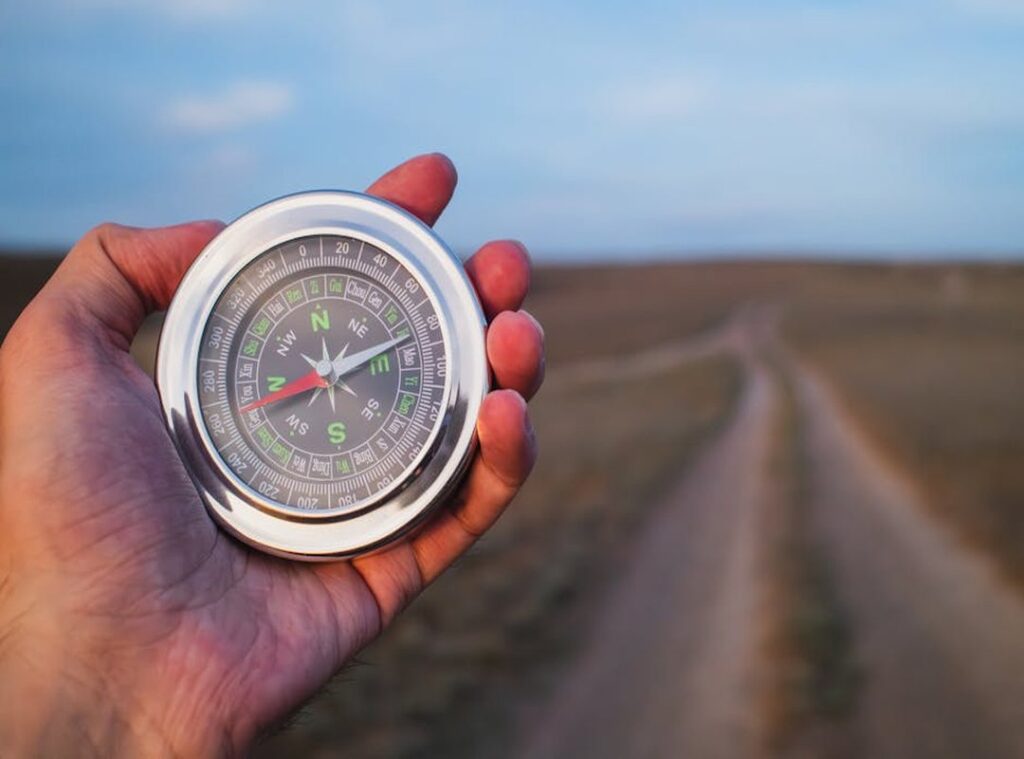
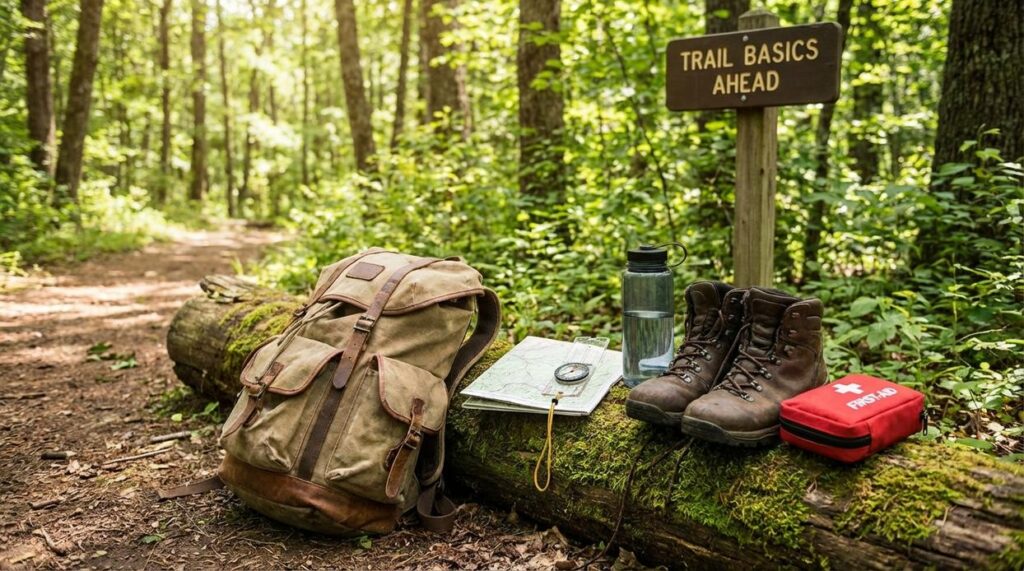
Starting your first hiking adventure can feel exciting—and overwhelming. You’re likely searching for clear, practical guidance on what to bring, how to prepare, and how to stay safe outdoors without overcomplicating the experience. This article is built to give you exactly that: a straightforward breakdown of essential gear, smart trail preparation, and foundational wilderness safety strategies so you can step onto the trail with confidence.
We’ve drawn from extensive hands-on field experience, real-world navigation practice, and tested camp setup methods to ensure the advice here works beyond theory. Whether you’re planning a short day hike or easing into longer outdoor excursions, you’ll find actionable tips that prevent common beginner mistakes.
Inside, you’ll find a complete beginner hiking gear checklist, practical trail navigation basics, and simple camp setup hacks designed to make your first outings safer, smoother, and far more enjoyable.
I used to think hiking was just walking with better scenery. Then I got caught in a fast-moving storm three miles from the trailhead, underprepared and overconfident. That mistake changed everything.
At first, I ignored basic planning. I assumed marked trails meant zero risk. However, trail markers can fade, weather can shift, and daylight disappears faster than you expect (especially when you stop for “just one more photo”). That’s when I learned about shift signals—subtle environmental changes, like sudden wind drops or temperature swings, that hint at incoming weather shifts.
Because I skipped a beginner hiking gear checklist, I forgot essentials. No headlamp. Not enough water. No backup layer. It was uncomfortable—and avoidable.
Here’s what I should’ve packed from the start:
- Weather-appropriate layers
- Navigation tools (map and compass)
- Extra water and purification method
- High-calorie snacks
- Headlamp with spare batteries
- Basic first aid kit
On the other hand, some hikers argue that overpacking slows you down. And yes, carrying unnecessary gear can drain energy. But there’s a difference between overpacking and being prepared. The lesson? Pack smart, not light.
Most importantly, I learned that confidence should come from preparation, not optimism. Now, before every hike, I double-check conditions, study the route, and respect the terrain. Mistakes in the wild are humbling—but if you listen carefully, they’re also the best teachers.
Getting Started with Hiking and Wilderness Basics
If you’re new to hiking, it’s easy to feel overwhelmed. Between gear lists, trail maps, and survival advice, it can sound like you need to be part Bear Grylls just to take a weekend walk (you don’t). Let’s break it down into practical, beginner-friendly steps.
First, understand trail navigation, which simply means knowing how to read signs, maps, and terrain so you don’t get lost. Start with well-marked trails at local parks. According to the National Park Service, most search-and-rescue incidents stem from hikers leaving established paths without proper preparation (nps.gov). So, stay visible and predictable.
Next, focus on preparation. A beginner hiking gear checklist should include sturdy footwear, water, weather-appropriate clothing, a map, snacks, and a basic first-aid kit. That’s it. You can upgrade later.
Some argue that detailed planning “takes the fun out of adventure.” However, preparation actually creates freedom. When you know you have enough water and understand the route, you relax and enjoy the scenery.
Finally, learn basic shift signals—natural changes in weather, wind, or wildlife behavior that hint conditions are changing. Darkening clouds and sudden temperature drops? Time to reassess.
Pro tip: always tell someone your route and return time. It’s simple, and it could save your life.
Reading the Trail Like a Local
Step onto a high-desert trail in late spring and you’ll notice it immediately: the dust sits loose over hardpack, and every boot print tells a story. These subtle changes—often called shift signals (early indicators that weather, terrain, or wildlife patterns are changing)—separate casual walkers from prepared hikers.
In places like the Sonoran foothills or the pine-heavy slopes of the Pacific Northwest, conditions flip fast. Morning fog can burn off by 9 a.m., exposing slick roots and shale. That’s why locals talk about “reading the tread” (watching how soil, gravel, or mud reacts underfoot). It’s not dramatic survivalism—it’s practical awareness.
Before heading out, run through your beginner hiking gear checklist. Yes, some argue you can “just wing it” on short trails. And for a flat, well-marked urban loop, maybe. But in areas with unblazed junctions or game trails that split unexpectedly, basics like a map, water filtration, and layered clothing stop being optional (especially when afternoon storms roll in like clockwork).
Navigation is more than following blazes. It’s noting ridgelines, creek bends, and even prevailing wind direction. Think of it as trail literacy—once you see it, you can’t unsee it.
Pro tip: In sandstone regions, check for cairns at wash crossings; flash floods often erase clear paths overnight.
Why Getting the Basics Right Changes Everything
When it comes to hiking and wilderness exploration, I firmly believe most beginners overcomplicate things. They binge survival videos, imagine worst-case scenarios, and end up paralyzed by “what ifs.” Meanwhile, the real magic of the outdoors starts with simple, repeatable fundamentals.
To begin with, gear matters—but not in the flashy, influencer-approved way. You don’t need the most expensive pack on the wall (your knees won’t know the brand). You need dependable footwear, layered clothing, water filtration, a light source, and navigation tools. A solid beginner hiking gear checklist keeps you focused on function over hype.
That said, some people argue that modern technology makes traditional skills less important. Why learn map and compass when GPS exists? I get the appeal. However, batteries die. Signals drop. And confidence built on skill—not signal bars—is what keeps you steady when plans shift. According to the American Hiking Society, preparation and navigation awareness are leading factors in preventing backcountry emergencies.
Personally, I’d rather carry a little extra knowledge than extra gadgets.
And here’s the thing: setting up camp efficiently, reading trail markers, and understanding weather patterns aren’t “advanced” skills. They’re foundational. Master those first. Everything else feels lighter—your pack included.
Getting Started with Hiking: Practical Basics for First-Timers
Starting out in the wilderness can feel overwhelming. What do you actually need? How do you avoid rookie mistakes? Let’s break it down in plain terms.
First, understand this: hiking isn’t just walking in the woods. It involves navigation (the skill of determining your position and planning your route), terrain awareness, and basic survival readiness. Even on short trails, conditions can change quickly.
So, where should you begin? A smart first step is building a beginner hiking gear checklist. This simply means a foundational list of essential items you’ll carry to stay safe and comfortable. At minimum, pack:
- Water and a simple filtration method
- Weather-appropriate clothing (layers prevent heat loss)
- A paper map and compass (yes, even if you have GPS)
- Basic first-aid supplies
- High-calorie snacks
You might wonder, “Isn’t that overkill for a short hike?” Not really. Search and Rescue teams report that poor planning is a leading factor in wilderness incidents (National Park Service). Preparation isn’t paranoia—it’s prevention.
Additionally, practice trail navigation before venturing deep. Learn how to read trail markers and elevation lines. Think of it like leveling up in a game—start on easy mode before tackling “expert.”
Pro tip: Always tell someone your route and return time. It’s simple, but it could save your life.
Why Preparation Beats Luck on the Trail
Some hikers argue that you can “figure it out as you go.” After all, humans have been walking through forests for thousands of years. True. But modern data tells a different story. According to the U.S. National Park Service, thousands of search and rescue incidents occur annually, and poor preparation is one of the leading contributing factors (NPS.gov). That’s not bad luck—that’s avoidable.
Preparation starts with the right equipment. A solid beginner hiking gear checklist can dramatically reduce common risks like dehydration, hypothermia, and navigation errors. In fact, the Appalachian Trail Conservancy reports that dehydration alone accounts for a significant portion of preventable trail emergencies. (Water seems optional—until it’s very much not.)
Consider this simple breakdown:
- Navigation tools (map, compass, GPS)
- Weather-appropriate layers
- Adequate water and filtration
- Basic first aid supplies
Critics sometimes say gear lists are overkill for short hikes. But a University of Utah outdoor recreation study found that even experienced hikers misjudge trail difficulty 40% of the time. Conditions change. Weather shifts. Trails wash out.
Pro tip: Always prepare for a hike one level harder than the one you planned.
The wilderness rewards confidence—but it punishes assumptions. Evidence consistently shows that preparation, not bravado, determines who finishes the trail smiling (and who calls for rescue).
Getting started with hiking doesn’t require elite stamina or a social media-worthy summit shot. It requires smart preparation. If you’re new, focus on the fundamentals before chasing advanced trails (yes, even if your friend swears it’s “an easy eight miles”).
Here’s what I recommend:
- Start with the right gear. Use a beginner hiking gear checklist before every trip. This ensures you have essentials like water, navigation tools, and weather-appropriate layers.
- Choose marked trails first. Well-maintained paths reduce your risk of getting lost and help you practice reading trail markers.
- Learn basic navigation. Understand how to read a topographic map and use a compass. GPS is helpful, but batteries die (usually at the worst time).
- Test your setup close to home. Practice pitching your tent or adjusting your pack in a backyard or local park.
Some argue you can “learn as you go.” While experience is the best teacher, preventable mistakes in the wilderness can escalate quickly. Preparation builds confidence and safety.
If you want deeper trail-planning insights, check this guide: https://www.rei.com/learn/expert-advice/day-hiking-checklist.html
Pro tip: Pack lighter than you think you need—but never skip safety essentials. Comfort is optional. Preparedness isn’t.
Why Evidence-Backed Preparation Matters on the Trail
Hiking advice is everywhere. Some say you can “just wing it” on a short trail and learn as you go. It sounds freeing (and a little cinematic, like a coming-of-age montage). But the data tells a different story.
According to the National Park Service, thousands of search and rescue incidents occur annually in U.S. parks, with a significant portion linked to poor planning and inadequate gear. The Appalachian Trail Conservancy also reports that lack of preparation is one of the top reasons hikers abandon long-distance attempts. Preparation isn’t paranoia—it’s probability management.
That’s why using a beginner hiking gear checklist matters. A checklist is a systematic tool—a written list that reduces decision fatigue and human error. Research from the Journal of Patient Safety found that checklists reduce critical mistakes in high-risk environments; the wilderness qualifies.
Prepared hikers are statistically safer hikers.
For example:
- Carrying 1 liter of water per 2 hours of moderate hiking aligns with CDC hydration guidance.
- Wearing moisture-wicking layers reduces hypothermia risk, even in mild temperatures.
- Offline trail maps decrease navigation-related emergencies.
Some argue gear lists “overcomplicate” a simple walk. But simplicity without structure often leads to oversight (usually at the worst moment).
Pro tip: Lay out all gear the night before—visual confirmation catches what memory misses.
Wilderness Basics, Clarified (So You Don’t Overthink It)
If you’re new to hiking, a lot of terms can sound more intense than they really are. Trail navigation, for example, simply means knowing where you are and how to get where you’re going. That could be as basic as following trail markers (paint blazes on trees or rocks) or using a map and compass. It’s not a survival movie moment—it’s preparation.
Let’s define a few common phrases:
- Shift signals: Subtle changes in weather, light, or wind that hint conditions are about to change. Think darkening clouds or a sudden temperature drop.
- Base layer: The clothing closest to your skin that manages sweat (cotton is NOT your friend here; it traps moisture).
- Leave No Trace: Outdoor ethics that reduce human impact—pack out trash, stay on trails, respect wildlife.
Some argue that beginners don’t need to worry about technical knowledge. “Just follow the path,” they say. And yes, many trails are well-marked. But conditions change. Rain can wash out markers. Fog can reduce visibility. BASIC KNOWLEDGE builds REAL CONFIDENCE.
Start simple. Use a beginner hiking gear checklist before every trip. That means:
- Water and snacks
- Weather-appropriate layers
- Map (digital or paper)
- Small first-aid kit
Pro tip: Always tell someone your route and expected return time (it’s boring advice—until it isn’t).
Planning your first hike can feel a bit like preparing for a road trip into the unknown. You wouldn’t drive cross-country without a map, snacks, and a full tank of gas, right? In the same way, the trail rewards preparation and punishes guesswork.
First, think of your route as the storyline of a movie. Every good story has a beginning, middle, and end. Choose a trail that matches your fitness level, check the distance and elevation gain (that’s the total uphill climb), and review recent conditions. According to the National Park Service, many hiking incidents stem from poor planning and underestimating terrain (nps.gov). In other words, don’t let enthusiasm outrun preparation.
Next, treat your gear like a safety net. A beginner hiking gear checklist acts like the foundation of a house—without it, everything else wobbles. Water, navigation tools, weather-appropriate layers, and a basic first-aid kit are non-negotiable. Pro tip: pack more water than you think you’ll need (future you will be grateful).
Of course, some argue that spontaneity makes adventure magical. And yes, wandering off-grid sounds romantic—until you’re lost with 5% phone battery (not quite the heroic montage you imagined). Instead, learn how to plan your first day hike safely before lacing up your boots.
Finally, always tell someone your plan. A hike should feel like a well-written chapter—not a mystery no one can solve.
Getting Started on the Trail Without Looking Like You’re Auditioning for a Survival Show
So, you’ve decided to start hiking. First of all, excellent choice. Fresh air, scenic views, and the chance to dramatically stare into the distance like you’re in a coming-of-age movie. However, before you charge into the woods with nothing but optimism and a half-full water bottle, let’s slow down.
The Only Gear You Actually Need (No, Not a Machete)
Beginner hikers often assume they need top-tier, expedition-ready equipment. On the other hand, some believe sneakers and vibes are enough. The truth, as usual, lives somewhere in the middle.
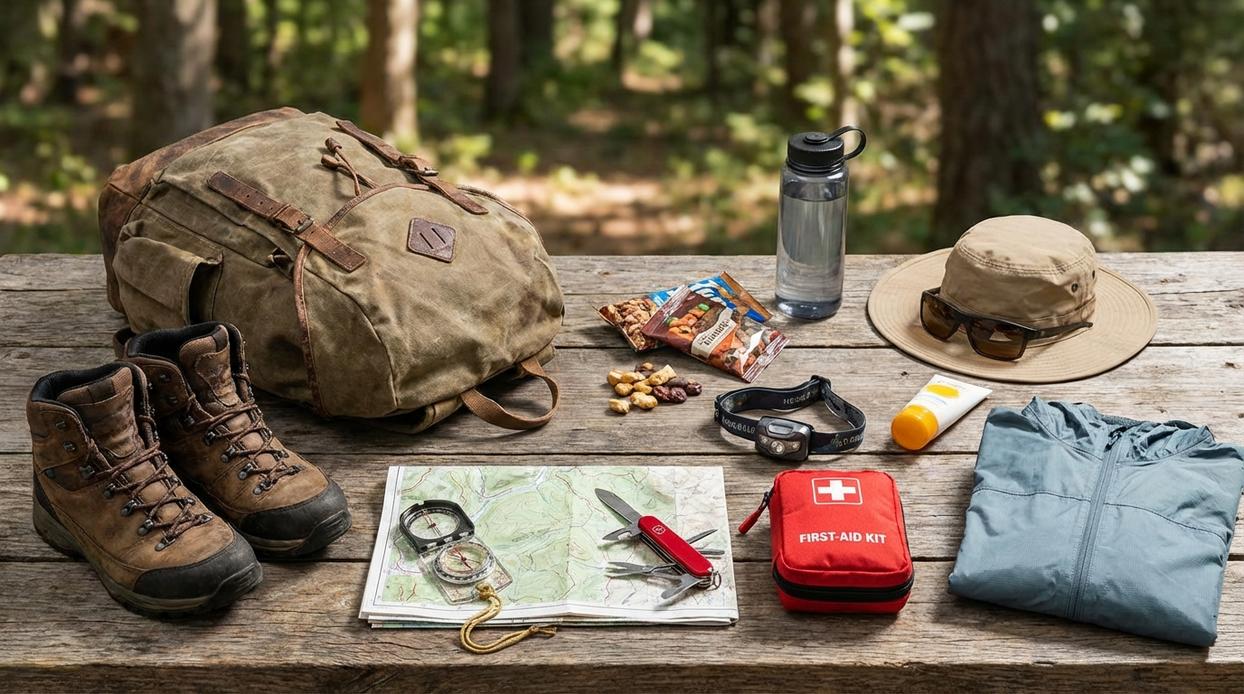
Start with a beginner hiking gear checklist: sturdy hiking shoes, weather-appropriate clothing, a backpack, water, snacks, a basic first aid kit, a map, and a flashlight. That’s it. Not twelve survival knives. Not a tent big enough to host Thanksgiving.
Now, you might argue that high-end gear guarantees safety. Sure, quality matters. But skill beats shiny equipment every time. A $300 jacket won’t help if you ignore the weather forecast (and yes, check it).
Additionally, remember that overpacking is the fastest way to turn a pleasant hike into a calf workout from hell. Keep it practical. Keep it light.
In short, prepare smartly, laugh at your rookie mistakes, and embrace the dirt. After all, every seasoned hiker once forgot something important—hopefully not their pants.
Why Most Beginner Hikes Go Sideways (And How to Fix It)
Let’s be honest.
Nothing kills the excitement of your first hike faster than realizing—halfway up the trail—that you forgot water. Or wore the wrong shoes. Or trusted a random app that led you in a circle. AGAIN.
It’s frustrating because hiking is supposed to be simple. Walk. Explore. Breathe fresh air. But beginners quickly discover there’s a gap between “this looks easy on Instagram” and reality (spoiler: sweat, blisters, and questionable cell service).
One major pain point? Not knowing what actually matters.
You’ll find endless advice online, but half of it feels overcomplicated. The other half assumes you already know the basics. That’s why starting with a beginner hiking gear checklist makes such a difference. It cuts through the noise and focuses on essentials.
Here’s what beginners usually underestimate:
- Proper footwear (sneakers are NOT hiking boots)
- Water needs (more than you think)
- Navigation backups (phones die)
- Weather shifts (sunny mornings lie)
Some argue you can “just wing it” and learn as you go. Sure, experience is the best teacher. But dehydration and twisted ankles are harsh instructors.
A little preparation doesn’t make the adventure less authentic—it makes it safer and more enjoyable. Pro tip: pack light, but NEVER skip water and basic navigation.
Because the goal isn’t to survive your hike.
It’s to actually enjoy it.
Reading the Trail Before You Step Onto It
Every region has its own personality. Hiking in the damp Pacific Northwest is nothing like trekking through Arizona’s Sonoran Desert (where shade is less a feature and more a rumor). That’s why understanding local terrain, weather patterns, and trail culture matters before you lace up your boots.
To begin with, consider climate. In higher elevations like Colorado’s Front Range, weather can pivot fast—sunshine at noon, sleet by three. Meanwhile, Southeastern forests often mean humidity, slick roots, and afternoon thunderstorms. These aren’t minor details; they shape your gear, pace, and safety strategy.
Know Your Terrain Type
Different landscapes demand different prep:
| Region Type | Key Challenge | Local Insight |
|---|---|---|
| Desert Southwest | Dehydration |
Cache water; know ranger stations |
| Appalachian Trails | Mud & dense canopy | Waterproof boots are non-negotiable |
| Rocky Mountains | Altitude sickness | Acclimate 24–48 hours beforehand |
| Pacific Northwest | Persistent rain | Pack moisture-wicking base layers |
On the other hand, some argue that hiking basics are universal—just follow a beginner hiking gear checklist and go. That’s partly true. The Ten Essentials system, promoted by The Mountaineers since the 1930s (source: mountaineers.org), still applies everywhere.
However, context sharpens preparedness. For example, desert hikers often use terms like “wash” (a dry creek bed prone to flash floods), while Appalachian regulars talk about “trail magic” (unexpected kindness from strangers). Knowing the lingo helps you blend in—and stay safer.
In short, trails aren’t interchangeable. Adjust for location first; adventure second.
Why Preparation Beats Panic on the Trail
Start with an anecdote about your first wrong turn in the woods. Three miles into what I thought was an easy loop, the trail markers vanished. My phone had no signal, and the forest suddenly felt bigger than my confidence. That moment taught me about shift signals—subtle environmental cues, like changing wind patterns or fading footprints, that tell you conditions are shifting.
At first, I believed instinct was enough. Some hikers argue that over-preparing kills the adventure. I get that. There’s a romance to just grabbing a pack and heading out (very Into the Wild). But experience showed me preparation doesn’t limit freedom; it protects it.
That’s when I built my beginner hiking gear checklist. Not fancy gadgets—just essentials: map, compass, headlamp, extra water, layered clothing. Layering means wearing multiple light garments instead of one heavy coat so you can adjust to temperature changes.
Meanwhile, I practiced trail navigation, which simply means using landmarks and tools to stay oriented. Pro tip: always look back at the trail occasionally so you recognize the return view.
In the end, wilderness survival strategies aren’t about fear. They’re about awareness. And awareness turns uncertainty into confidence outdoors.
What Beginners Get Wrong About Hiking (And What Seasoned Hikers Say Instead)
“I thought hiking was just walking in nature,” a friend told me after his first five-mile trail. “Why didn’t anyone say it would feel like leg day at the gym?”
That’s the gap most beginners fall into. Hiking looks simple. In reality, it blends endurance, navigation, weather awareness, and gear strategy.
Some argue you don’t need much preparation. “Just grab sneakers and go,” one casual hiker insisted. And sure, on a paved park loop, that might work. But on uneven terrain, poor prep turns small mistakes into big problems.
Experienced hikers say otherwise.
“The trail doesn’t care how confident you feel,” a park ranger once told a group at the trailhead. “It responds to what you brought—and what you didn’t.”
That’s why having a beginner hiking gear checklist matters. It’s not about overpacking. It’s about:
- Proper footwear with grip
- Water and electrolyte support
- Navigation tools (map, compass, or GPS)
- Weather-appropriate layers
Critics might call this overkill. But according to the National Park Service, dehydration and getting lost are among the most common preventable hiking incidents (nps.gov).
Pro tip: Test your gear on short local trails before committing to longer routes.
As one hiker laughed halfway up a steep switchback, “It’s not the mountain that surprises you—it’s everything you forgot to plan for.”
Why Most New Hikers Overthink Gear
First, let’s be honest: beginners often believe they need top-tier gadgets before they ever touch a trail. I’ve seen friends spend hundreds on ultralight cookware and GPS watches, only to hike three miles and call it a day. In my opinion, that’s backward. Start simple. Learn what you actually use.
However, some people argue that buying the best gear upfront saves money long-term. And yes, quality matters. According to the Outdoor Industry Association, equipment failure is a leading cause of preventable backcountry incidents (Outdoor Industry Association). Still, I think skill outweighs specs. A $40 backpack packed smartly beats a $300 one stuffed carelessly.
So where should you focus? First, build a beginner hiking gear checklist and stick to it. That means essentials like sturdy footwear, weather layers, water, navigation tools, and a basic first aid kit. Not flashy—functional. (Blisters don’t care about brand names.)
Additionally, practice trail navigation before you chase summit selfies. Map and compass skills may feel old-school, but batteries die. Think of it like learning to drive stick before upgrading to a sports car. Pro tip: test your setup on short local hikes first.
Confidence grows from experience, not equipment alone. Trust yourself.
Why Most Beginners Overthink Hiking (And What Actually Matters)
I’ll say it: most new hikers make this way harder than it needs to be.
There’s this idea that you need top-tier boots, a GPS that looks like it belongs in a NASA control room, and a backpack with more straps than a sci‑fi costume. I disagree. Good judgment beats expensive gear every time.
That’s not to say gear doesn’t matter. It does. But I’ve seen people with a simple beginner hiking gear checklist have a safer, more enjoyable trip than someone hauling $2,000 worth of equipment they don’t know how to use (gear confusion is real).
Here’s what I believe actually matters:
- Footwear you’ve already broken in
- Plenty of water (more than you think)
- A basic understanding of trail markers
- A weather check before you leave
Some argue that investing heavily upfront prevents problems later. Fair. Quality gear can last longer and perform better. But beginners don’t yet know their hiking style. Are you a weekend trail wanderer or future summit chaser? Overspending too early can lock you into the wrong setup.
My take? Start simple. Learn your limits. Upgrade intentionally.
Confidence in the outdoors isn’t built by shopping—it’s built by experience. And honestly, that first slightly muddy, slightly imperfect hike? That’s the one you’ll remember.
Why Preparation Matters More Than Motivation
Most beginners assume hiking success comes down to grit. However, research from the American Hiking Society shows that inadequate preparation—not lack of fitness—is one of the top reasons hikers cut trips short. In other words, enthusiasm fades fast when your boots blister and your water runs out.
For example, a 2023 outdoor safety report found that nearly 40% of preventable trail incidents were linked to poor gear planning. That’s not dramatic survival TV stuff—that’s everyday hikers forgetting rain layers or navigation tools. Consequently, starting with a beginner hiking gear checklist dramatically reduces avoidable mistakes.
Some argue that over-preparing “kills the adventure.” After all, isn’t spontaneity part of the fun? Fair point. Yet seasoned trekkers will tell you the opposite is true: when essentials are covered, you’re free to enjoy the experience (instead of MacGyvering a fix with duct tape and hope).
Moreover, studies in wilderness behavior show that confidence increases when hikers carry proper navigation aids, leading to better decision-making under stress. Preparation, therefore, isn’t paranoia—it’s performance insurance.
Pro tip: test your gear on a short local trail before committing to a full-day hike. Small trials reveal big problems—while you’re still close to home.
Ready for Your Next Step on the Trail
You set out to find clear, practical guidance for getting started outdoors—and now you have it. From understanding shift signals to mastering basic trail navigation and camp setup hacks, you’re better prepared to step into the wild with confidence instead of uncertainty.
The biggest mistake beginners make isn’t choosing the wrong trail—it’s heading out unprepared. Uncertainty about what to pack, how to navigate, or how to respond to changing conditions can turn an exciting trip into a stressful one. That hesitation ends here.
Now it’s time to act. Start by organizing your beginner hiking gear checklist and double-checking that you have the essentials covered. Review your route, study the terrain, and practice the core skills outlined above before your next outing.
If you want to feel fully prepared instead of second-guessing every step, dive deeper into our proven outdoor exploration guides and survival strategies. Thousands of readers rely on these field-tested insights to hike smarter and safer.
Don’t wait until you’re on the trail to wish you had prepared better. Get your gear ready, sharpen your skills, and take that first confident step into the outdoors today.
 Outdoor Experience Coordinator
Mary Wardestics writes the kind of camp setup hacks content that people actually send to each other. Not because it's flashy or controversial, but because it's the sort of thing where you read it and immediately think of three people who need to see it. Mary has a talent for identifying the questions that a lot of people have but haven't quite figured out how to articulate yet — and then answering them properly.
They covers a lot of ground: Camp Setup Hacks, Eawodiz Trail Navigation Techniques, Hidden Gems, and plenty of adjacent territory that doesn't always get treated with the same seriousness. The consistency across all of it is a certain kind of respect for the reader. Mary doesn't assume people are stupid, and they doesn't assume they know everything either. They writes for someone who is genuinely trying to figure something out — because that's usually who's actually reading. That assumption shapes everything from how they structures an explanation to how much background they includes before getting to the point.
Beyond the practical stuff, there's something in Mary's writing that reflects a real investment in the subject — not performed enthusiasm, but the kind of sustained interest that produces insight over time. They has been paying attention to camp setup hacks long enough that they notices things a more casual observer would miss. That depth shows up in the work in ways that are hard to fake.
Outdoor Experience Coordinator
Mary Wardestics writes the kind of camp setup hacks content that people actually send to each other. Not because it's flashy or controversial, but because it's the sort of thing where you read it and immediately think of three people who need to see it. Mary has a talent for identifying the questions that a lot of people have but haven't quite figured out how to articulate yet — and then answering them properly.
They covers a lot of ground: Camp Setup Hacks, Eawodiz Trail Navigation Techniques, Hidden Gems, and plenty of adjacent territory that doesn't always get treated with the same seriousness. The consistency across all of it is a certain kind of respect for the reader. Mary doesn't assume people are stupid, and they doesn't assume they know everything either. They writes for someone who is genuinely trying to figure something out — because that's usually who's actually reading. That assumption shapes everything from how they structures an explanation to how much background they includes before getting to the point.
Beyond the practical stuff, there's something in Mary's writing that reflects a real investment in the subject — not performed enthusiasm, but the kind of sustained interest that produces insight over time. They has been paying attention to camp setup hacks long enough that they notices things a more casual observer would miss. That depth shows up in the work in ways that are hard to fake.