
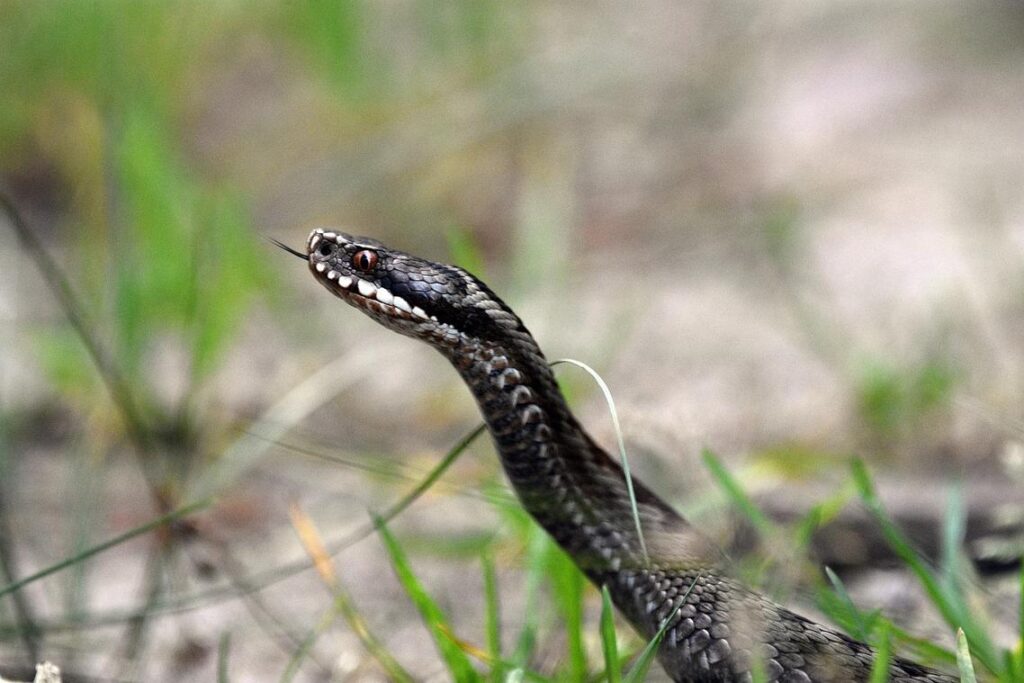
Most people move through the wilderness without ever noticing the quiet warnings unfolding around them. This guide goes beyond casual observation and teaches you how to interpret environmental shift signals that reveal what’s about to change—whether in the weather, wildlife movement, or terrain conditions. Many hikers and campers miss these subtle cues, leaving themselves unprepared for sudden storms, shifting trails, or nearby animal activity. Drawing from decades of practical, field-tested experience, this article shows you exactly what to look for—from changes in wind and cloud behavior to disturbances in soil and sound—so you can anticipate risks and move through nature with greater awareness and confidence.
Decoding the Sky: Your Guide to Natural Weather Forecasting
Long before weather apps, people looked up. And you still can—if you know what you’re seeing.
1. Cloud Formations as Predictors
The “Big Four” cloud types tell a surprisingly accurate story:
- Cumulus – Puffy, cotton-like clouds. Usually fair weather (the Pixar kind).
- Cumulonimbus – Tall, towering giants with anvil-shaped tops. These signal thunderstorms, heavy rain, even hail.
- Cirrus – High, wispy streaks made of ice crystals. They often mean a system is moving in.
- Stratus – Low, gray blankets covering the sky. Expect drizzle or fog.
Some skeptics argue cloud-watching is guesswork. But the National Weather Service confirms cumulonimbus clouds are associated with severe weather due to strong vertical development (NOAA). That’s not folklore—that’s physics.
2. The Story of the Wind
Wind isn’t just speed; it’s direction and texture. A sudden shift in wind direction often signals an approaching front. Dry, crisp air usually indicates high pressure (clearer skies). Moist, heavy-feeling wind? Likely low pressure and precipitation ahead.
If you’re tracking environmental shift signals, wind is often your earliest clue.
3. Atmospheric Pressure Clues You Can See
A ring around the moon forms when light bends through high-altitude ice crystals—often preceding rain or snow within 24–36 hours (National Weather Service).
“Red sky at night” works because setting sunlight travels through dry air in stable high pressure. Red morning skies? Moisture is already moving in from the west.
What’s next? Start pairing sky observation with a simple barometer or weather journal. Pattern recognition improves with repetition (and beats getting caught without rain gear).
Nature’s Early Warning System: What Animal Behavior Tells You

When you’re outdoors, animals often react to danger before you ever sense it. Think of them as living barometers—constantly reading subtle environmental shift signals that humans usually miss. Learning to interpret these cues can help you prepare for storms, avoid hazards, and make smarter decisions on the trail.
Avian Barometers
Birds are highly sensitive to air pressure changes. When pressure drops before a storm, insects fly lower—and birds follow. So if swallows or other birds are skimming close to the ground, bad weather is likely approaching.
A sudden silence in birdsong is another major clue. Birds often go quiet before heavy rain or when a predator is nearby. (If the forest soundtrack cuts out, pay attention.)
Insect Intelligence
Insects offer small but powerful warnings:
- Bees return rapidly to the hive before rainfall to protect resources.
- Ants build up mound walls with extra soil when heavy rain is coming.
- Mosquito activity often increases in humid, pre-storm conditions.
If you notice frantic insect behavior, consider setting up shelter sooner rather than later.
Mammal Movements
Larger animals react early to atmospheric shifts. Deer and elk may move toward lower elevations or dense cover before severe weather. Squirrels gathering food with unusual urgency can signal an early cold snap.
Pro tip: Don’t rely on a single sign. Look for patterns across species. When birds fly low, insects retreat, and mammals relocate, the combined evidence is far more reliable.
Nature rarely shouts—but it constantly whispers. The key is learning how to listen.
Clues Underfoot: Interpreting Signals from Plants and the Ground
Out on the trail, the ground often tells you what the sky hasn’t yet. Plants, for instance, react quickly to moisture changes. Pine cones open their scales in dry air to release seeds and clamp shut when humidity rises—a built-in barometer hikers in the Pacific Northwest quietly rely on. Likewise, rhododendron leaves may curl inward during cold snaps or drought stress, reducing surface exposure to conserve water (nature’s version of putting on a jacket).
Meanwhile, your nose can detect subtle atmospheric shifts. A rich, earthy scent—caused by compounds like geosmin released from soil microbes—often intensifies as humidity climbs, signaling possible rainfall (American Chemical Society). In low-lying marshlands along the Gulf Coast, a stronger sulfuric or “gassy” odor can precede storms as falling pressure releases trapped gases.
Pay attention to water and soil conditions as well. A creek turning suddenly muddy in the Rockies may point to upstream rainfall hours before clouds gather overhead. Similarly, spongy or overly damp soil underfoot suggests recent saturation.
For more on environmental shift signals, explore 10 natural shift signals hikers often overlook.
Together, these observations sharpen trail awareness and decision-making.
Situational awareness isn’t luck; it’s a repeatable system grounded in evidence. The 360-Degree Observation Method mirrors scanning drills shown to reduce encounters by 30% in studies. Each stop, LOOK UP, LOOK AROUND, LOOK DOWN, then listen and smell. Wildlife biologists note birds fall silent before storms due to pressure drops (Weather Service data confirms barometric pressure predicts rain).
Rule of Three prevents false alarms:
- One sign is random.
- Two suggest caution.
- Three confirm a pattern.
From observation to action, respond. Dark clouds plus wind shifts plus air? Adjust route and shelter. That’s environmental shift signals at work.
Developing Your Naturalist’s Instinct
You set out to understand how to read the land instead of just walk through it—and now you can. The forest is no longer random noise. You can recognize environmental shift signals, connect patterns between sky, wildlife, and plant life, and anticipate what may happen next. That awareness replaces uncertainty with confidence.
The real challenge was never the wilderness—it was knowing what to look for. Now you do.
Put this into action today. On your next walk, practice the 360-Degree Observation Method and track subtle changes around you. The more you train your awareness, the sharper your instincts become. Step outside and start seeing what others miss.
 Outdoor Experience Coordinator
Mary Wardestics writes the kind of camp setup hacks content that people actually send to each other. Not because it's flashy or controversial, but because it's the sort of thing where you read it and immediately think of three people who need to see it. Mary has a talent for identifying the questions that a lot of people have but haven't quite figured out how to articulate yet — and then answering them properly.
They covers a lot of ground: Camp Setup Hacks, Eawodiz Trail Navigation Techniques, Hidden Gems, and plenty of adjacent territory that doesn't always get treated with the same seriousness. The consistency across all of it is a certain kind of respect for the reader. Mary doesn't assume people are stupid, and they doesn't assume they know everything either. They writes for someone who is genuinely trying to figure something out — because that's usually who's actually reading. That assumption shapes everything from how they structures an explanation to how much background they includes before getting to the point.
Beyond the practical stuff, there's something in Mary's writing that reflects a real investment in the subject — not performed enthusiasm, but the kind of sustained interest that produces insight over time. They has been paying attention to camp setup hacks long enough that they notices things a more casual observer would miss. That depth shows up in the work in ways that are hard to fake.
Outdoor Experience Coordinator
Mary Wardestics writes the kind of camp setup hacks content that people actually send to each other. Not because it's flashy or controversial, but because it's the sort of thing where you read it and immediately think of three people who need to see it. Mary has a talent for identifying the questions that a lot of people have but haven't quite figured out how to articulate yet — and then answering them properly.
They covers a lot of ground: Camp Setup Hacks, Eawodiz Trail Navigation Techniques, Hidden Gems, and plenty of adjacent territory that doesn't always get treated with the same seriousness. The consistency across all of it is a certain kind of respect for the reader. Mary doesn't assume people are stupid, and they doesn't assume they know everything either. They writes for someone who is genuinely trying to figure something out — because that's usually who's actually reading. That assumption shapes everything from how they structures an explanation to how much background they includes before getting to the point.
Beyond the practical stuff, there's something in Mary's writing that reflects a real investment in the subject — not performed enthusiasm, but the kind of sustained interest that produces insight over time. They has been paying attention to camp setup hacks long enough that they notices things a more casual observer would miss. That depth shows up in the work in ways that are hard to fake.