

Picking the right hunting rifle is rarely a purely technical decision. For many hunters, it comes down to a deeply personal question: does the weight of a wood-stocked classic feel right in their hands, or does the practicality of a modern platform better match how they actually hunt?
Traditional firearms appeal to those who value proven accuracy, familiar cartridges, and the kind of craftsmanship that has stood up across generations. A well-made classic rifle carries a certain character that synthetic materials simply cannot replicate.
Modern rifles, on the other hand, answer a different set of demands. Lighter builds, weather-resistant materials, and broad accessory compatibility make them a natural fit for hunters covering difficult terrain or changing conditions. The core choice between a bolt-action rifle built decades ago and a current production model often comes down to four factors: terrain, carrying distance, budget, and whether heritage feel matters as much as field reliability.
Traditional or Modern? Start with This Choice
Traditional firearms fit hunters who value proven handling, wood-and-steel craftsmanship, and familiar cartridges. Modern rifles, by contrast, fit hunters who prioritize lighter weight, weather resistance, accessory compatibility, and easy customization. The core decision hinges on terrain, carrying distance, and budget, and whether heritage feel matters as much as field convenience. Neither path is wrong; they simply reflect different priorities that become clearer once a hunter thinks honestly about how they spend their time in the field.
What Really Separates These Rifles in the Field
The traditional-versus-modern debate becomes much more concrete once you move past aesthetics and look at what each platform actually does under hunting conditions. Material choices, mechanical design, and accessory compatibility all translate into real differences that a hunter will notice long before the first shot.
Stocks, Weight, and Weather Resistance
The material a stock is made from shapes nearly every handling experience in the field. A wood stock carries warmth and balance that many seasoned hunters prefer, but it absorbs moisture, adds weight, and can shift point-of-impact slightly after extended exposure to rain or humidity.
A synthetic stock sidesteps those concerns entirely. Fiberglass, polymer, and carbon-style builds resist swelling, shed water, and often bring the total rifle weight down by a noticeable margin over a full day of hiking. For hunters covering steep or wet terrain, that difference compounds over miles.
Actions, Fit, and Accessory Flexibility
Classic designs like the Remington 700 deliver straightforward reliability and a familiar feel that has earned trust over decades. The Ruger American takes a more modern approach, offering adjustable components, a modular design, and a lower price point without sacrificing mechanical accuracy.
Where the gap widens is in accessory flexibility. Newer production rifles commonly feature threaded barrels for suppressor and firearm add-ons, integrated optics rails, and ergonomic adjustments that older platforms rarely offered from the factory. Hunters building a setup for specific conditions, recoil sensitivity, or equipment preferences will generally find modern rifles easier to configure from the start. Practical ownership decisions also come into play here, including administrative considerations like whether a firearm bill of sale needs to be notarized when upgrading, trading, or replacing a hunting rifle.
How Classic and Modern Cartridges Change the Decision
Choosing between a traditional and modern rifle is, in many ways, also a choice between cartridges. The firearm and the round it chambers tend to be evaluated together, and that pairing carries real consequences for what happens downrange.
Traditional hunters have long relied on the .30-06 Springfield and .270 Winchester, both of which carry decades of field-proven performance across a wide range of game. Their cartridge history and performance reflect generations of refinement, and for many hunters, that familiarity alone carries significant weight.
Modern rifle buyers increasingly look toward the 6.5 Creedmoor and 7mm PRC, drawn by flatter trajectories, manageable recoil, and strong current market support. These newer options deliver real ballistic advantages at distance, particularly for hunters shooting across open terrain. The right cartridge ultimately comes down to game size, expected shooting distance, and how much a hunter values established familiarity versus the accuracy gains that newer options provide.
Which Rifle Style Fits the Way You Hunt
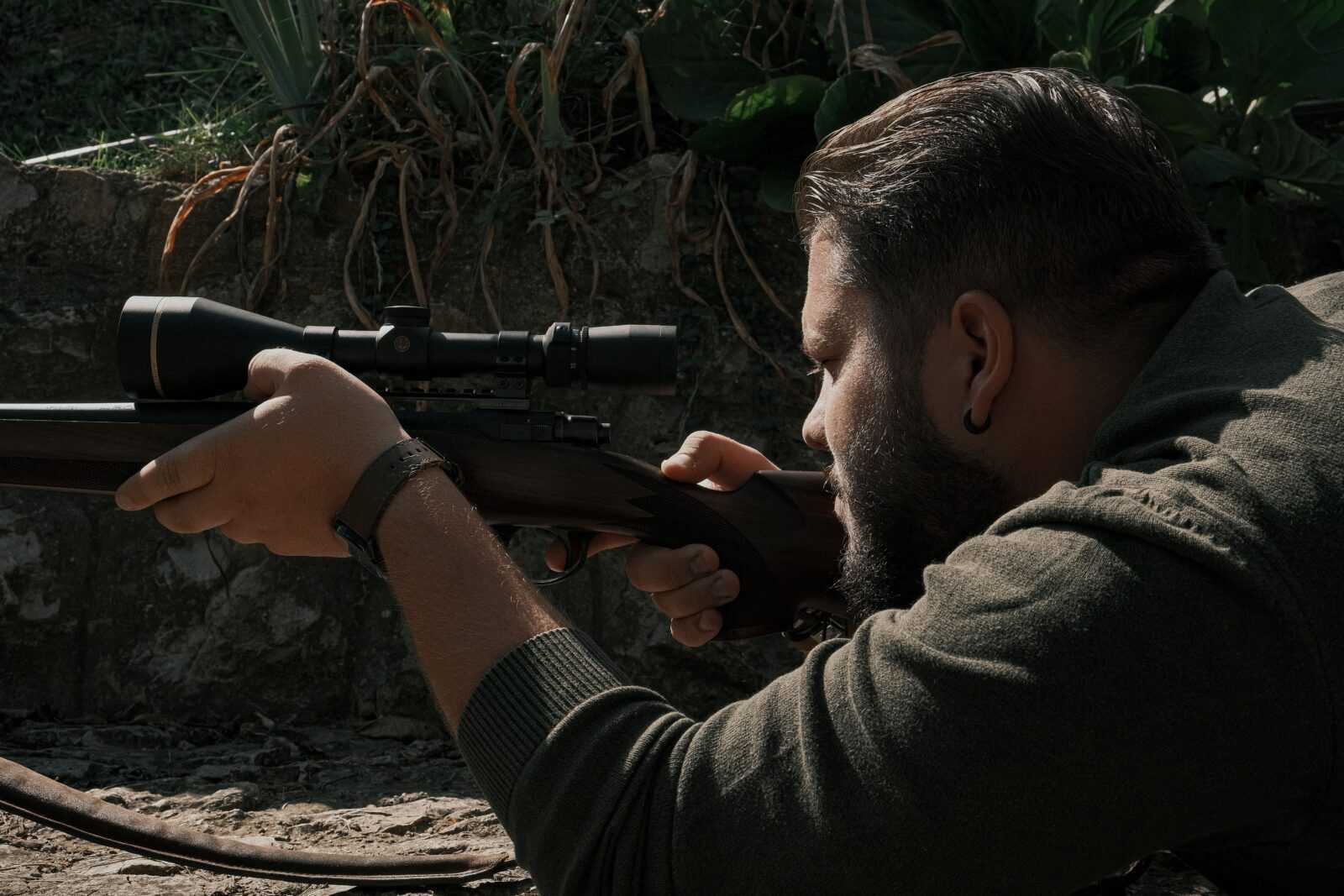
The choice between a classic rifle and a modern rifle often sharpens once a hunter thinks honestly about where and how they spend their time in the field.
Traditional firearms tend to suit stand hunters well. The slower pace, fixed position, and heirloom appeal of a wood-stocked hunting rifle align naturally with that style of hunting, where carrying distance is short and conditions are more controlled.
Modern rifles make more sense for backcountry trips, wet weather, and longer carries where weight and reliability under pressure matter most. Their accessory compatibility also supports hunters building optics-heavy or purpose-specific setups. When carrying your firearm safely across varied terrain, that lighter, weather-resistant platform earns its keep quickly.
Budget planning should account for the full system, not just the rifle itself. Optics, mounting hardware, and future modifications can easily match or exceed the cost of the firearm, so starting with a platform that supports those additions from the outset makes long-term financial sense.
Final Take
Neither style holds a universal edge. The best hunting rifle is the one that fits how a hunter actually operates, whether that means the character of traditional hunting firearms on familiar ground or the field adaptability of a modern rifle across demanding terrain. Match the platform to the conditions, the cartridge to the game, and the choice tends to make itself.
 Survival Content Specialist
Jodi Milleraycansy writes the kind of camp setup hacks content that people actually send to each other. Not because it's flashy or controversial, but because it's the sort of thing where you read it and immediately think of three people who need to see it. Jodi has a talent for identifying the questions that a lot of people have but haven't quite figured out how to articulate yet — and then answering them properly.
They covers a lot of ground: Camp Setup Hacks, Eawodiz Trail Navigation Techniques, Hidden Gems, and plenty of adjacent territory that doesn't always get treated with the same seriousness. The consistency across all of it is a certain kind of respect for the reader. Jodi doesn't assume people are stupid, and they doesn't assume they know everything either. They writes for someone who is genuinely trying to figure something out — because that's usually who's actually reading. That assumption shapes everything from how they structures an explanation to how much background they includes before getting to the point.
Beyond the practical stuff, there's something in Jodi's writing that reflects a real investment in the subject — not performed enthusiasm, but the kind of sustained interest that produces insight over time. They has been paying attention to camp setup hacks long enough that they notices things a more casual observer would miss. That depth shows up in the work in ways that are hard to fake.
Survival Content Specialist
Jodi Milleraycansy writes the kind of camp setup hacks content that people actually send to each other. Not because it's flashy or controversial, but because it's the sort of thing where you read it and immediately think of three people who need to see it. Jodi has a talent for identifying the questions that a lot of people have but haven't quite figured out how to articulate yet — and then answering them properly.
They covers a lot of ground: Camp Setup Hacks, Eawodiz Trail Navigation Techniques, Hidden Gems, and plenty of adjacent territory that doesn't always get treated with the same seriousness. The consistency across all of it is a certain kind of respect for the reader. Jodi doesn't assume people are stupid, and they doesn't assume they know everything either. They writes for someone who is genuinely trying to figure something out — because that's usually who's actually reading. That assumption shapes everything from how they structures an explanation to how much background they includes before getting to the point.
Beyond the practical stuff, there's something in Jodi's writing that reflects a real investment in the subject — not performed enthusiasm, but the kind of sustained interest that produces insight over time. They has been paying attention to camp setup hacks long enough that they notices things a more casual observer would miss. That depth shows up in the work in ways that are hard to fake.