Ever fumbled through a dark cooler with a sputtering stove while camping? It’s a nightmare, right? A poorly planned camp kitchen steals your adventure time and sanity.
I’ve spent years testing setups, from backpacking minimalism to overland grandeur. You need more than a pre-made box of junk. You need a system tailored to you. a perfect camp kitchen comes in.
This guide will save you time, money, and a whole lot of frustration. Trust me, after countless trips, I’ve honed a method that works. By the end, you’ll have an organized, fast setup ready for any adventure.
Unbeatable Camp Kitchen: Built on Three Pillars
Building the perfect camp kitchen isn’t about lugging random gear into the wild. It’s a smart system with three pillars: Cooking, Cleaning, and Storage. Get these right, and you’re golden.
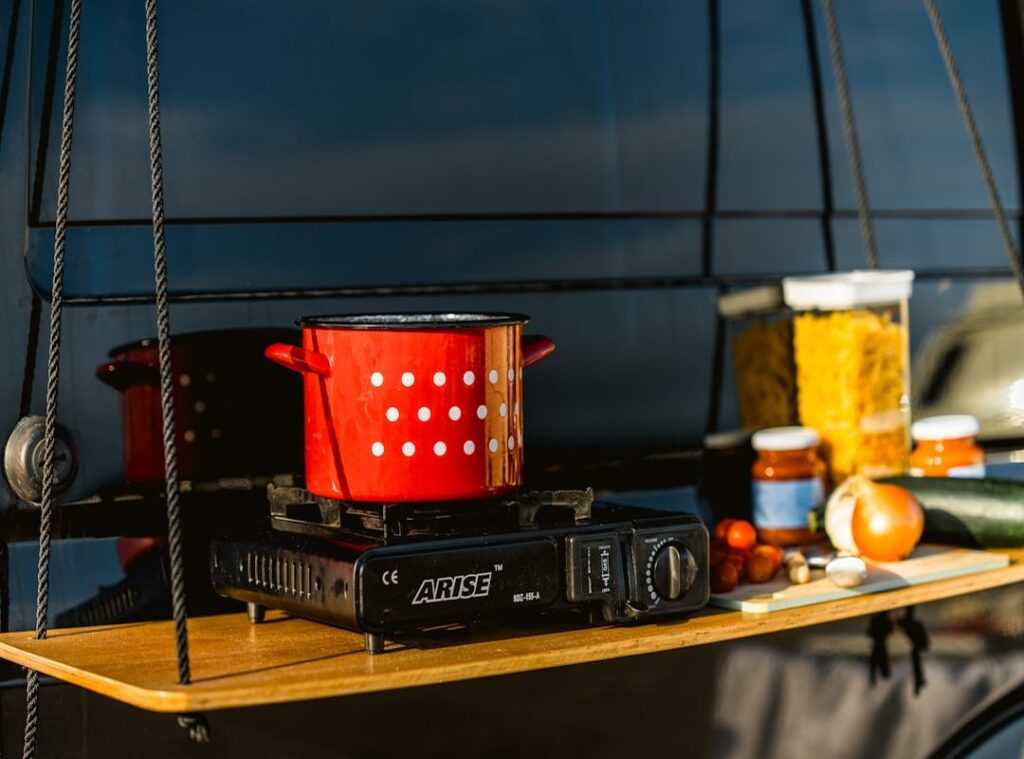
First off, the cook station. Your outdoor stovetop is key. Propane stoves are popular (easy to find fuel, reliable), but ever tried liquid fuel?
It burns hotter and is great in cold weather. Just a thought.
Pack durability and fuel efficiency into your gear. Leave those fragile home pots behind. Bring pots and pans that can take a beating.
A sharp knife is non-negotiable. No one wants to hack at a tomato with a dull blade. Tongs, spatula, and a cutting board?
Definitely. Pro-tip: Look for gear that packs small. Space saving hacks camping can make a big difference when loading up.
Next pillar, the wash station. This keeps us safe and the land pristine. Two collapsible sinks are lifesavers (one washing, one rinsing).
Don’t skip biodegradable soap. It’s better for the environment, trust me. A sponge or scraper is key for stubborn grime.
And a quick-dry towel is your hero.
Here’s a quick wash method: wash, rinse, sanitize. It’s fast, effective, and everyone will love you for it.
Finally, let’s talk pantry. It’s not simply a cooler. Organization and food safety are everything.
Your cooler is for perishables. Invest in a good one. Then, add a dry-storage box for your non-perishables.
Durable plastic totes work wonders. Small containers for spices and oils can save meals from blandness.
Now, about critter-proofing. You don’t want to wake up with raccoons in your food stash. Bear bags and secure lids are non-negotiable.
So there you have it. A perfect camp kitchen is all about smart choices and sturdy gear. Why settle for less when your outdoor experience can be so much more?
Whether you’re dealing with the cook station chaos or organizing your pantry, building a reliable system isn’t just for pros. Anyone can do it. Just think of it as an adventure within your adventure.
Gear and Gadgets: Packing Your Camp Kitchen
Packing a camp kitchen isn’t just about the gear you have. It’s how you organize and roll out it. You know what I mean?
You can have the best stove, but if you spend half your trip digging for it, what’s the point?
Let’s start with the Modular Tote System. Picture this: dedicated, labeled plastic totes for each core part of your kitchen. You got your Cook Tote, Clean Tote, and Dry Food Tote.
It’s like a scene from a DIY show. Affordable? Yes.
Customizable? Absolutely. You can pack these babies into almost any vehicle.
But there’s a catch (there’s always a catch). You’ll need a table to set them up, and they can be bulky.
Then there’s the Classic Chuck Box (also known as a Patrol Box). Imagine a self-contained box holding all your kitchen gear. It often unfolds into a workspace, making you feel like you’re on a cooking competition show.
The pros? It’s organized and offers all-in-one convenience. The cons?
Well, it’s heavy, can be expensive, and demands commitment to what it can hold. Not as flexible as you might like.
Finally, the Integrated Vehicle Setup. Now, this is for the overlanding and truck-camping folks. Think drawer systems, tailgate kitchens, and slide-out units.
The kind of setup that makes a quick meal on the road feel like gourmet dining. The pros here are the ultimate convenience and speedy setup. But it comes with steep costs and needs permanent vehicle modifications.
Choosing the right system can transform your camping experience. Your perfect camp kitchen isn’t just about the gear. It’s about how you use it.
Pick what’s right for you and hit the road. Remember, it’s all about making life outside as smooth as possible. Why waste time?
Get out there and cook up something amazing!
Perfect Camp Kitchen: Set Up in No Time
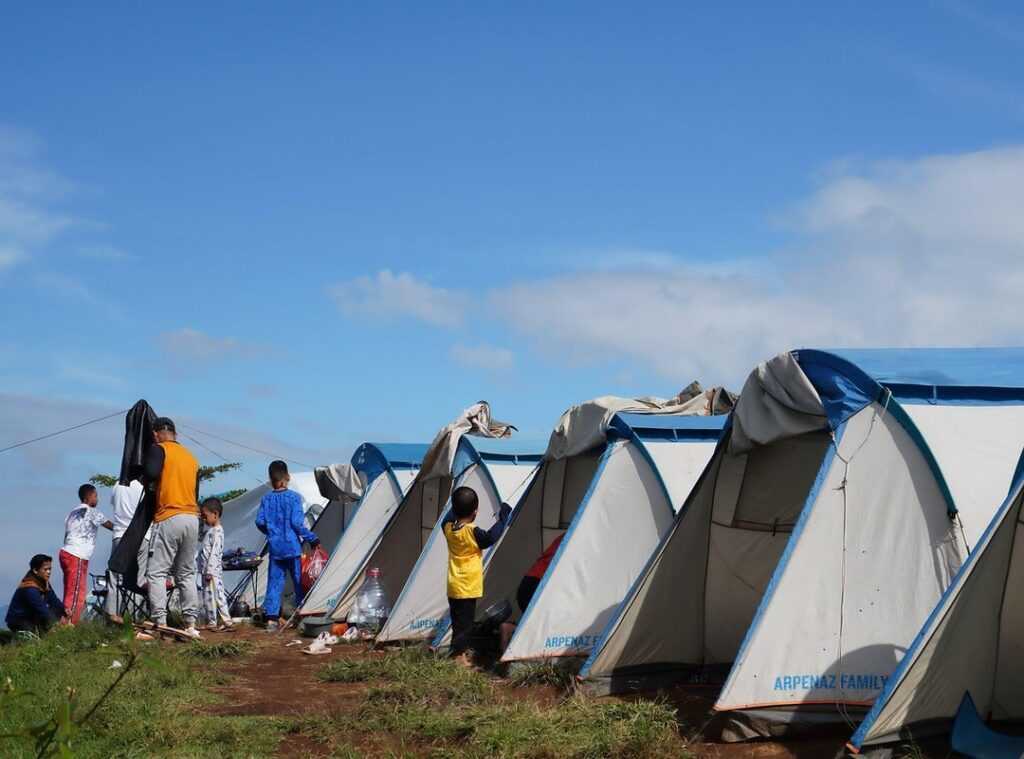
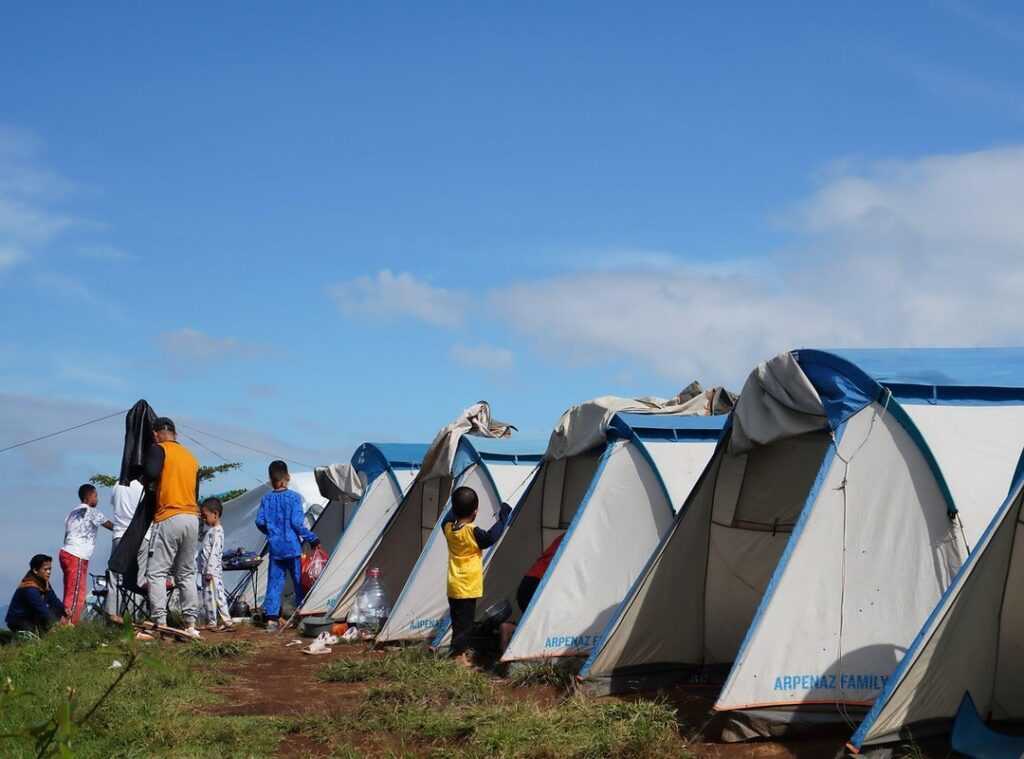
Let’s cut to the chase. Setting up a perfect camp kitchen is more about process than gear. First off, pick your spot wisely.
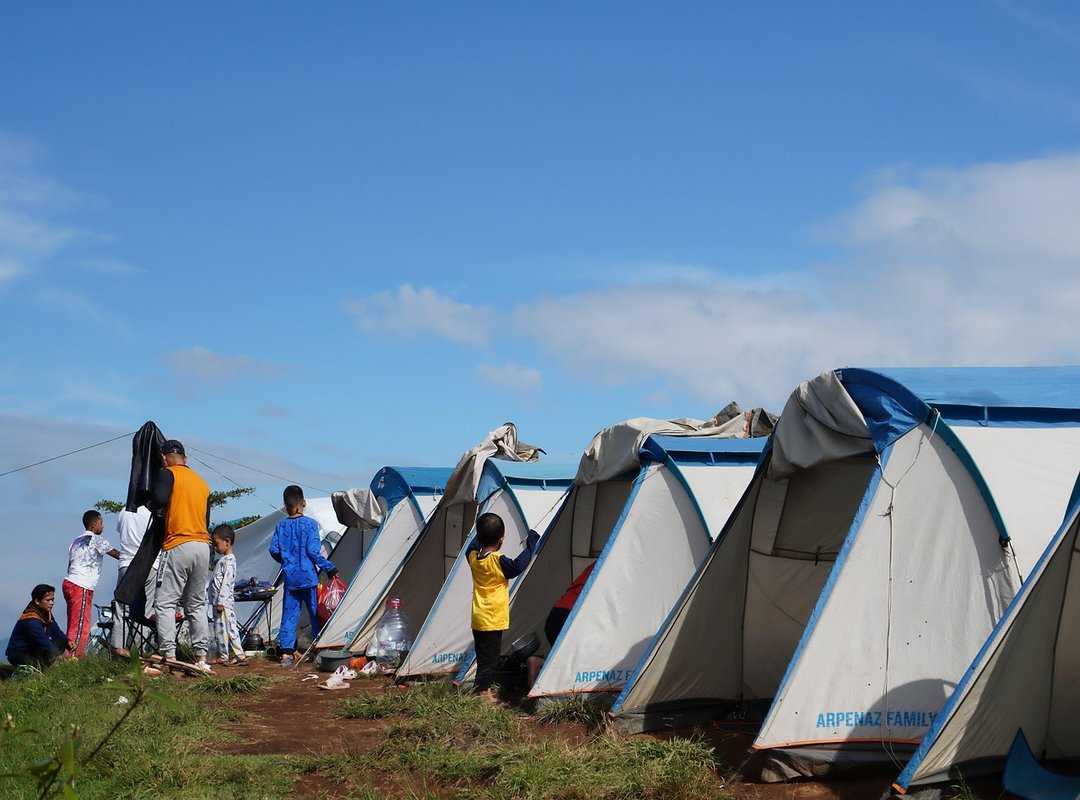
You want a level area, away from tents. Nobody wants a bear rummaging through their stuff at 2 a.m. (Or do they? No, they don’t.)
Now, imagine a triangle. A trusty triangle like in your home kitchen: pantry/cooler, prep/cook station, and wash station. It keeps everything flowing smoothly.
Speaking of flow, here’s how you nail it in five minutes flat.
- Place your table first. This is your kitchen’s heart.
Next step, unpack the cook station. No dawdling. Your cooler and pantry should be within arm’s reach.
Easy access is key. Finally, set a small table for the wash station. Done.
Water management? Yeah, it’s a big deal. Bring a gallon per person per day.
This covers drinking, cooking, and yes, cleaning. And don’t forget a dedicated container with a spigot. It saves you from messy mishaps.
Now, let’s talk prep. You need to move with purpose. The triangle method works wonders here, just like it does at home.
And if you’re wondering how to pull all this off effortlessly, check out these quick easy camp setup tips. They’re a lifesaver when you’re knee-deep in the wilderness.
Remember, efficiency isn’t just a bonus; it’s necessary. So, set up your camp kitchen like a pro and enjoy the wild without hassle. Ready to transform your next trip?
I know I am.
Camp Kitchen Tricks: Unleash Your Inner Chef
What’s the secret to a perfect camp kitchen? It’s all about preparation. Do your chopping at home (onions,) peppers, the works.
Toss those veggies in a bag. Spice mixes? A snap with zip-locks.
Pre-marinate your meats. Trust me, you don’t want to deal with raw chicken in the wilderness.
Handling waste is key. Want to avoid the bears? Separate your trash with durable bags.
One for trash, one for recycling, another for scraps. Keep it tidy. Stick to that Leave No Trace mantra (I can’t stress this enough).
Now, paper towels (they’re) a lifesaver. Use a bungee or a holder. Keep them clean and dry.
They’re not just for spills; think napkins, plates, fire starters, you name it.
Lastly, don’t haul full spice containers. Use small, leak-proof ones. Get creative.
Your taste buds will thank you. It’s the little things that make a big campfire meal unforgettable.
Gear Up for Your Next Outdoor Feast
Ever feel like your camp kitchen’s a mess? I get it. Your outdoor meals deserve better. your perfect camp kitchen comes in.
Build it right with Cooking, Cleaning, and Storage. This organized setup brings peace and lets you savor nature, not chaos.
Here’s your move: review your gear. This week, find one key item to add or upgrade. Maybe it’s a trusty stove or a clever storage bin.
Whatever it is, make it count. Transform your next trip’s cooking into a breeze. It’s time for effortless meals under the stars.
Ready to start?
 Outdoor Experience Coordinator
Mary Wardestics writes the kind of camp setup hacks content that people actually send to each other. Not because it's flashy or controversial, but because it's the sort of thing where you read it and immediately think of three people who need to see it. Mary has a talent for identifying the questions that a lot of people have but haven't quite figured out how to articulate yet — and then answering them properly.
They covers a lot of ground: Camp Setup Hacks, Eawodiz Trail Navigation Techniques, Hidden Gems, and plenty of adjacent territory that doesn't always get treated with the same seriousness. The consistency across all of it is a certain kind of respect for the reader. Mary doesn't assume people are stupid, and they doesn't assume they know everything either. They writes for someone who is genuinely trying to figure something out — because that's usually who's actually reading. That assumption shapes everything from how they structures an explanation to how much background they includes before getting to the point.
Beyond the practical stuff, there's something in Mary's writing that reflects a real investment in the subject — not performed enthusiasm, but the kind of sustained interest that produces insight over time. They has been paying attention to camp setup hacks long enough that they notices things a more casual observer would miss. That depth shows up in the work in ways that are hard to fake.
Outdoor Experience Coordinator
Mary Wardestics writes the kind of camp setup hacks content that people actually send to each other. Not because it's flashy or controversial, but because it's the sort of thing where you read it and immediately think of three people who need to see it. Mary has a talent for identifying the questions that a lot of people have but haven't quite figured out how to articulate yet — and then answering them properly.
They covers a lot of ground: Camp Setup Hacks, Eawodiz Trail Navigation Techniques, Hidden Gems, and plenty of adjacent territory that doesn't always get treated with the same seriousness. The consistency across all of it is a certain kind of respect for the reader. Mary doesn't assume people are stupid, and they doesn't assume they know everything either. They writes for someone who is genuinely trying to figure something out — because that's usually who's actually reading. That assumption shapes everything from how they structures an explanation to how much background they includes before getting to the point.
Beyond the practical stuff, there's something in Mary's writing that reflects a real investment in the subject — not performed enthusiasm, but the kind of sustained interest that produces insight over time. They has been paying attention to camp setup hacks long enough that they notices things a more casual observer would miss. That depth shows up in the work in ways that are hard to fake.