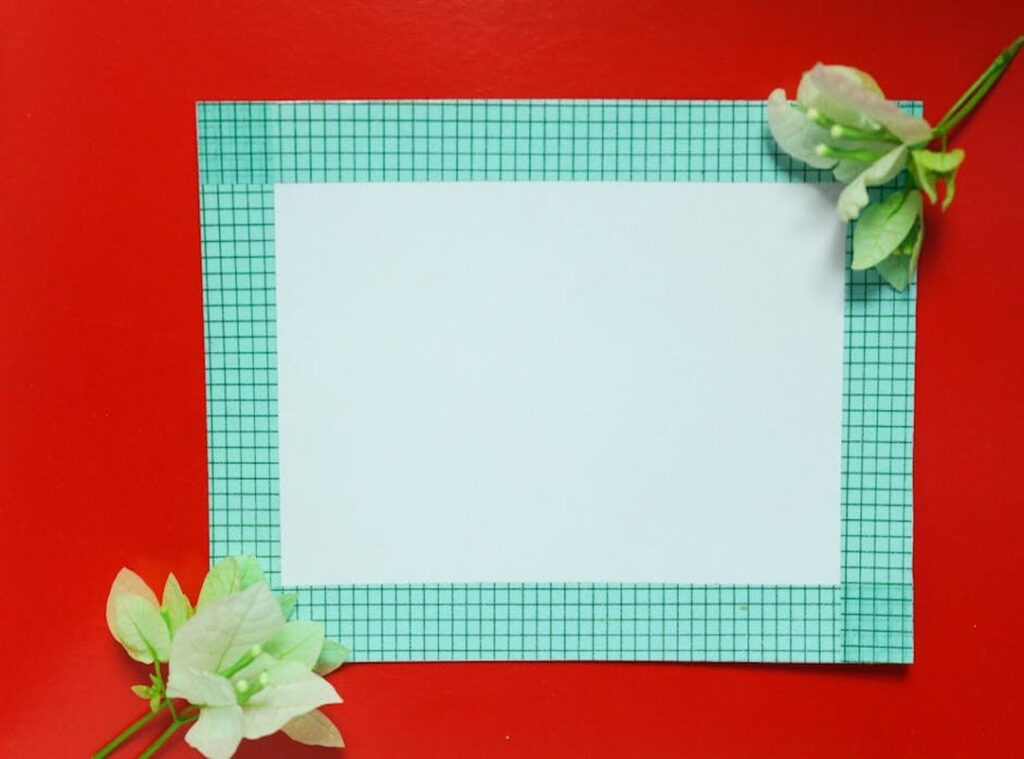
Remember those simple checkerboard paper weavings we all made as kids? What if you could move beyond basic patterns and create intricate, stunning designs with perfect precision? This guide will not only provide you with ready-to-use template anyaman kertas but also show you how to use simple digital tools to design any paper weaving pattern you can imagine.
No need for expensive software or advanced skills. We’ll bridge traditional craft with modern technology, making it easy for you to break free from the limitations of hand-drawn patterns.
The Foundation: What Makes a Great Paper Weaving Template?
When it comes to paper weaving, the template is your starting point. It has two core components: the loom sheet and the weft strips.
The loom sheet is where you cut vertical slits. These slits are crucial for the weaving process. The weft strips are the pieces you weave through those slits.
Consistent spacing and straight lines are key. If these aren’t right, your final product will look amateurish. Trust me, I’ve seen it happen more times than I can count.
Material choice matters too. Use cardstock for a more durable final result. Construction paper works, but it’s not as sturdy.
For beginners, start with wider strips and a simpler loom. This makes the process easier and less frustrating. Advanced weavers can handle thinner strips and complex slit patterns.
It takes time to get there, but the results are worth it.
Pro tip: Always use a sharp craft knife and a ruler for cutting the loom slits. Scissors can cause tearing and uneven edges. It’s a small detail, but it makes a big difference.
Understanding these basics will help you create a great template anyaman kertas.
Instant Gratification: Free Printable Templates for Every Skill Level
Beginner Basics
If you’re just starting out, simple patterns are your best friend. Think stripes, wide checkerboards, and basic color blocking. These are great for understanding the core mechanics of any craft.
You can focus on getting your technique right without worrying about complex designs.
Intermediate Geometrics
Once you’ve got the basics down, it’s time to move on to something a bit more challenging. Chevrons, diamonds, and simple tessellations are perfect. These patterns introduce the concept of counting strips to create a pattern.
It’s a step up, but still very doable with a little practice.
Advanced Challenges
For those who want to push their skills even further, there are more complex ideas like curved illusions, simple figurative shapes (like a heart or a fish), or asymmetrical designs. Using these pre-made templates is the best way to build confidence before moving on to creating custom designs.
You can find such templates online in various places. Craft blogs, educational sites, and Pinterest are great resources. Just search for “template anyaman kertas” or similar terms to get started.
- Beginner Basics: Stripes, wide checkerboards, basic color blocking
- Intermediate Geometrics: Chevrons, diamonds, simple tessellations
- Advanced Challenges: Curved illusions, simple figurative shapes, asymmetrical designs
By using these templates, you can gradually build your skills and creativity. So, pick a category that suits your current level and start crafting!
Unleash Your Creativity: How to Design Custom Templates with Free Digital Tools
Using free graphic design software like Canva, Figma, or Inkscape can help you create flawless, personalized templates. These tools are user-friendly and powerful, making them perfect for both beginners and experienced designers.
Step-by-Step Mini-Tutorial for Creating a Loom Sheet in Canva
- Create an A4/Letter document.
- Use the ‘Line’ tool to draw perfectly spaced vertical lines.
- Add a solid border as a cutting guide.
It’s that simple. You now have a basic loom sheet ready for your next project.
Designing the weft strips is where you can get creative. You can create multi-colored or patterned strips digitally. Once designed, print and cut them out.
This adds a unique touch to your template anyaman kertas.
Turning Photos into Weaving Patterns
You can also use digital photo editors to turn a simple photograph into a pixelated weaving pattern. Assign a color to each pixel-turned-strip. This method allows for intricate and visually stunning designs.
The biggest advantage of digital creation is easy iteration. You can change colors, adjust spacing, and fix mistakes with a click. This saves paper and time.
Plus, it lets you experiment without the fear of wasting materials.
If you’re planning to take your creativity outdoors, consider setting up a camp kitchen. camp kitchen setup ideas for easy outdoor cooking can make your outdoor experience more enjoyable and efficient.
So, why not give it a try? With these tools and techniques, you can unleash your creativity and produce some amazing custom templates.
From Screen to Reality: Printing and Prepping Your Digital Designs
So, you’ve got your digital design ready, and great! Now, let’s make sure it looks just as good on paper.
First things first, use a ‘high quality’ print setting. This makes a huge difference in the clarity and sharpness of your design. Also, select the correct paper type in the printer dialog.
It’s a small step but it can really enhance the final look.
For custom templates, especially something like template anyaman kertas, go for 65 lb / 176 gsm cardstock. This weight ensures your strips are sturdy enough to weave without tearing. Trust me, you don’t want flimsy paper messing up your project.
Now, cutting. Place the printed loom sheet on a self-healing mat. Use a steel ruler and craft knife to make perfectly straight slits.
This method is way more precise than scissors and will give you cleaner, more professional-looking results.
Before you start weaving, do a final check. Lightly run a fingernail over the cut slits to ensure they are fully separated. This little trick can save you a lot of frustration later.
By following these steps, you’ll end up with a high-quality, well-crafted project. It’s all about the details, and these tips will help you get there.
Your Next Masterpiece Awaits
Embark on a creative journey from the basics of paper weaving to crafting limitless custom designs. With accessible technology, you can now transform simple techniques into intricate and personalized artworks. Your search for a template anyaman kertas has been fulfilled, offering not just immediate templates but also the skills to innovate.
Combine the timeless appeal of a physical craft with the precision and flexibility of digital design. This blend allows for endless creativity and personalization.
Now, challenge yourself to pick one of the free digital tools mentioned and spend 15 minutes designing your very first custom weft strip pattern.
 Outdoor Experience Coordinator
Mary Wardestics writes the kind of camp setup hacks content that people actually send to each other. Not because it's flashy or controversial, but because it's the sort of thing where you read it and immediately think of three people who need to see it. Mary has a talent for identifying the questions that a lot of people have but haven't quite figured out how to articulate yet — and then answering them properly.
They covers a lot of ground: Camp Setup Hacks, Eawodiz Trail Navigation Techniques, Hidden Gems, and plenty of adjacent territory that doesn't always get treated with the same seriousness. The consistency across all of it is a certain kind of respect for the reader. Mary doesn't assume people are stupid, and they doesn't assume they know everything either. They writes for someone who is genuinely trying to figure something out — because that's usually who's actually reading. That assumption shapes everything from how they structures an explanation to how much background they includes before getting to the point.
Beyond the practical stuff, there's something in Mary's writing that reflects a real investment in the subject — not performed enthusiasm, but the kind of sustained interest that produces insight over time. They has been paying attention to camp setup hacks long enough that they notices things a more casual observer would miss. That depth shows up in the work in ways that are hard to fake.
Outdoor Experience Coordinator
Mary Wardestics writes the kind of camp setup hacks content that people actually send to each other. Not because it's flashy or controversial, but because it's the sort of thing where you read it and immediately think of three people who need to see it. Mary has a talent for identifying the questions that a lot of people have but haven't quite figured out how to articulate yet — and then answering them properly.
They covers a lot of ground: Camp Setup Hacks, Eawodiz Trail Navigation Techniques, Hidden Gems, and plenty of adjacent territory that doesn't always get treated with the same seriousness. The consistency across all of it is a certain kind of respect for the reader. Mary doesn't assume people are stupid, and they doesn't assume they know everything either. They writes for someone who is genuinely trying to figure something out — because that's usually who's actually reading. That assumption shapes everything from how they structures an explanation to how much background they includes before getting to the point.
Beyond the practical stuff, there's something in Mary's writing that reflects a real investment in the subject — not performed enthusiasm, but the kind of sustained interest that produces insight over time. They has been paying attention to camp setup hacks long enough that they notices things a more casual observer would miss. That depth shows up in the work in ways that are hard to fake.